Buy hitachi-pl.pl ?
We are moving the project
hitachi-pl.pl .
Are you interested in purchasing the domain
hitachi-pl.pl ?
domain@kv-gmbh.de · 0541-91531010
Buy hitachi-pl.pl ?
What is the difference between a 400 micron and a 500 micron solar pool cover?
The main difference between a 400 micron and a 500 micron solar pool cover is the thickness of the material. A 500 micron cover is thicker and therefore provides better insulation and heat retention for the pool. It also tends to be more durable and longer-lasting compared to a 400 micron cover. However, a 400 micron cover may be more affordable and easier to handle due to its lighter weight. Ultimately, the choice between the two will depend on the specific needs and preferences of the pool owner. **
What is the difference between electrical engineering, electronics, information technology, and computer engineering?
Electrical engineering focuses on the generation, distribution, and control of electrical energy, as well as the design of electrical systems. Electronics deals with the study of electronic components, circuits, and systems that use electricity to process information. Information technology involves the use of computers and software to manage and process data. Computer engineering combines elements of both electrical engineering and computer science to design and develop computer systems and hardware. Each field has its own specialized focus and applications within the broader realm of technology. **
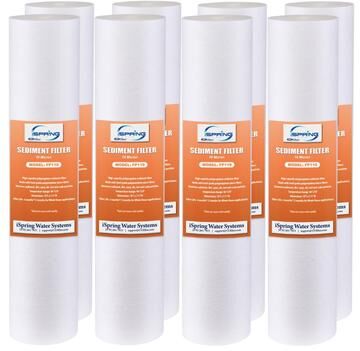

Similar search terms for ISpring-FP110X8-10-Micron
Top-Angebote
Products related to ISpring-FP110X8-10-Micron:
-
iSpring FP25BX10 5 Micron Sediment Cartridges, 10-PackPatented 4-layer gradient Melt-blown polypropylene, up to 3 times more efficient 20 inch (length) x 4.5 inch (O.D), universal replacement for industry standard 20 inch filter cartridges.This filter can also be used for pool and hottub. 5-micron...199,59 $*Shipping: 0,00 $Secure redirect to the provider
-
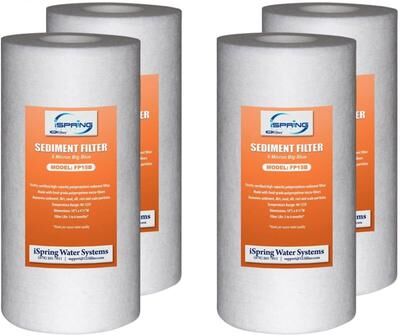
iSpring FP15BX4 5 Micron Sediment Cartridges, 4-Pack[Premium Quality Material] Complies strictly with FDA standard (CFR-Part 177) and tested by independent third party against NSF/ANSI standard((NSF/ANSI 42) for material safety and water quality.51,32 $*Shipping: 0,00 $Secure redirect to the provider
-
What is better: Electronics technician for industrial engineering or electronics technician for energy and building technology?
The choice between being an electronics technician for industrial engineering or energy and building technology depends on your interests and career goals. If you enjoy working with complex machinery and systems in manufacturing environments, then industrial engineering may be a better fit for you. On the other hand, if you are passionate about sustainable energy solutions and building technology, then energy and building technology could be more fulfilling. Consider your strengths, interests, and long-term career aspirations to make the best decision for yourself. **
-
How does one switch from an electronics technician for industrial engineering to an electronics technician for automation technology?
To switch from being an electronics technician for industrial engineering to automation technology, one can start by gaining knowledge and skills specific to automation technology through courses, workshops, or certifications. It is important to familiarize oneself with automation systems, PLC programming, robotics, and other relevant technologies. Networking with professionals in the automation industry and seeking opportunities for hands-on experience in automation projects can also be beneficial. Updating one's resume and highlighting any relevant experience or skills related to automation technology will help in transitioning to a new role as an electronics technician for automation technology. **
-
How do you switch from an electronics technician for industrial engineering to an electronics technician for automation technology?
To switch from being an electronics technician for industrial engineering to automation technology, you may need to acquire additional training or certifications specific to automation technology. This could involve taking courses or workshops focused on automation systems, programmable logic controllers (PLCs), robotics, and other relevant technologies. It would also be beneficial to gain practical experience in automation technology through internships or on-the-job training. Networking with professionals in the automation technology field and seeking out job opportunities that align with your new career focus can also help facilitate the transition. **
-
How can one switch from an electronics technician for industrial engineering to an electronics technician for automation technology?
To switch from being an electronics technician for industrial engineering to automation technology, one can start by gaining knowledge and skills specific to automation technology through courses or training programs. It is important to familiarize oneself with automation systems, PLC programming, and control systems. Additionally, gaining hands-on experience in automation technology through internships or on-the-job training can be beneficial. Networking with professionals in the automation technology field and seeking mentorship can also help in making a successful transition. **


What is the difference between an electronics technician for industrial engineering and an electronics technician for automation technology?
An electronics technician for industrial engineering typically focuses on maintaining and repairing electronic systems used in various industries, such as manufacturing plants or power plants. They are responsible for ensuring that electronic equipment operates efficiently and safely within an industrial setting. On the other hand, an electronics technician for automation technology specializes in designing, installing, and maintaining automated systems that control machinery and processes. They work with programmable logic controllers (PLCs) and other advanced technologies to optimize production processes and increase efficiency in industrial automation. **
What is the difference between electrical engineering, electronics, information technology, and technical computer science?
Electrical engineering focuses on the generation, transmission, and distribution of electrical power, as well as the design of electrical systems. Electronics deals with the study of electronic components, circuits, and systems, including semiconductors and transistors. Information technology involves the use of computer systems to store, retrieve, transmit, and manipulate data. Technical computer science focuses on the design and development of software and hardware systems, including programming languages and algorithms. Each field has its own specialized focus within the broader realm of technology and engineering. **
Top-Angebote
Products related to ISpring-FP110X8-10-Micron:
-
iSpring FP110X25 10 Micron Sediment Cartridges, 25-PackProtect Your Family and Household Appliance from Sediments: The FP series sediment filters are specially designed to remove sediments, dust, sand, large particles, silt, dirt, and rust from water.77,49 $*Shipping: 0,00 $Secure redirect to the provider
-
iSpring FP25BX10 5 Micron Sediment Cartridges, 10-PackPatented 4-layer gradient Melt-blown polypropylene, up to 3 times more efficient 20 inch (length) x 4.5 inch (O.D), universal replacement for industry standard 20 inch filter cartridges.This filter can also be used for pool and hottub. 5-micron...199,59 $*Shipping: 0,00 $Secure redirect to the provider
-
What is the difference between a 400 micron and a 500 micron solar pool cover?
The main difference between a 400 micron and a 500 micron solar pool cover is the thickness of the material. A 500 micron cover is thicker and therefore provides better insulation and heat retention for the pool. It also tends to be more durable and longer-lasting compared to a 400 micron cover. However, a 400 micron cover may be more affordable and easier to handle due to its lighter weight. Ultimately, the choice between the two will depend on the specific needs and preferences of the pool owner. **
-
What is the difference between electrical engineering, electronics, information technology, and computer engineering?
Electrical engineering focuses on the generation, distribution, and control of electrical energy, as well as the design of electrical systems. Electronics deals with the study of electronic components, circuits, and systems that use electricity to process information. Information technology involves the use of computers and software to manage and process data. Computer engineering combines elements of both electrical engineering and computer science to design and develop computer systems and hardware. Each field has its own specialized focus and applications within the broader realm of technology. **
-
What is better: Electronics technician for industrial engineering or electronics technician for energy and building technology?
The choice between being an electronics technician for industrial engineering or energy and building technology depends on your interests and career goals. If you enjoy working with complex machinery and systems in manufacturing environments, then industrial engineering may be a better fit for you. On the other hand, if you are passionate about sustainable energy solutions and building technology, then energy and building technology could be more fulfilling. Consider your strengths, interests, and long-term career aspirations to make the best decision for yourself. **
-
How does one switch from an electronics technician for industrial engineering to an electronics technician for automation technology?
To switch from being an electronics technician for industrial engineering to automation technology, one can start by gaining knowledge and skills specific to automation technology through courses, workshops, or certifications. It is important to familiarize oneself with automation systems, PLC programming, robotics, and other relevant technologies. Networking with professionals in the automation industry and seeking opportunities for hands-on experience in automation projects can also be beneficial. Updating one's resume and highlighting any relevant experience or skills related to automation technology will help in transitioning to a new role as an electronics technician for automation technology. **
Similar search terms for ISpring-FP110X8-10-Micron
-
iSpring FP15BX4 5 Micron Sediment Cartridges, 4-Pack[Premium Quality Material] Complies strictly with FDA standard (CFR-Part 177) and tested by independent third party against NSF/ANSI standard((NSF/ANSI 42) for material safety and water quality.51,32 $*Shipping: 0,00 $Secure redirect to the provider
-
iSpring FP25X4 5 Micron Sediment Cartridges, 4-PackProtect Your Family and Household Appliance from Sediments: The FP25 sediment filters are specially designed to remove sediments, dust, sand, large particles, silt, dirt, and rust from water.34,99 $*Shipping: 0,00 $Secure redirect to the provider
-
iSpring FP11X25 1 Micron Sediment Cartridges, 25-PackMulti-layer gradient design 2.5 inch (O.D) x 10 inch (Length) x 1 1/8 inch (I.D), Fits industry standard 10 inch filter housings Good for RO, Counter-top, Whole-house water filters and ice machine, film, beverage processing Genuine filter cartridge…82,99 $*Shipping: 0,00 $Secure redirect to the provider
-
How do you switch from an electronics technician for industrial engineering to an electronics technician for automation technology?
To switch from being an electronics technician for industrial engineering to automation technology, you may need to acquire additional training or certifications specific to automation technology. This could involve taking courses or workshops focused on automation systems, programmable logic controllers (PLCs), robotics, and other relevant technologies. It would also be beneficial to gain practical experience in automation technology through internships or on-the-job training. Networking with professionals in the automation technology field and seeking out job opportunities that align with your new career focus can also help facilitate the transition. **
-
How can one switch from an electronics technician for industrial engineering to an electronics technician for automation technology?
To switch from being an electronics technician for industrial engineering to automation technology, one can start by gaining knowledge and skills specific to automation technology through courses or training programs. It is important to familiarize oneself with automation systems, PLC programming, and control systems. Additionally, gaining hands-on experience in automation technology through internships or on-the-job training can be beneficial. Networking with professionals in the automation technology field and seeking mentorship can also help in making a successful transition. **
-
What is the difference between an electronics technician for industrial engineering and an electronics technician for automation technology?
An electronics technician for industrial engineering typically focuses on maintaining and repairing electronic systems used in various industries, such as manufacturing plants or power plants. They are responsible for ensuring that electronic equipment operates efficiently and safely within an industrial setting. On the other hand, an electronics technician for automation technology specializes in designing, installing, and maintaining automated systems that control machinery and processes. They work with programmable logic controllers (PLCs) and other advanced technologies to optimize production processes and increase efficiency in industrial automation. **
-
What is the difference between electrical engineering, electronics, information technology, and technical computer science?
Electrical engineering focuses on the generation, transmission, and distribution of electrical power, as well as the design of electrical systems. Electronics deals with the study of electronic components, circuits, and systems, including semiconductors and transistors. Information technology involves the use of computer systems to store, retrieve, transmit, and manipulate data. Technical computer science focuses on the design and development of software and hardware systems, including programming languages and algorithms. Each field has its own specialized focus within the broader realm of technology and engineering. **
* All prices are inclusive of VAT and, if applicable, plus shipping costs. The offer information is based on the details provided by the respective shop and is updated through automated processes. Real-time updates do not occur, so deviations can occur in individual cases. ** Note: Parts of this content were created by AI.