Buy hitachi-pl.pl ?
We are moving the project
hitachi-pl.pl .
Are you interested in purchasing the domain
hitachi-pl.pl ?
domain@kv-gmbh.de · 0541-91531010
Buy hitachi-pl.pl ?
Why don't all motor manufacturers use Freevalve technology?
Not all motor manufacturers use Freevalve technology because it requires a significant investment in research, development, and production. Implementing Freevalve technology also requires a shift in manufacturing processes and expertise, which can be a barrier for some companies. Additionally, some manufacturers may be hesitant to adopt new technology without proven long-term reliability and performance. Finally, there may be concerns about the potential impact on existing supply chains and partnerships. **
What is a capacitor motor in electrical engineering?
A capacitor motor is a type of electric motor that uses a capacitor to provide an additional phase shift in the motor's windings. This additional phase shift helps to create a rotating magnetic field, which is necessary for the motor to operate. Capacitor motors are commonly used in applications where a high starting torque is required, such as in air conditioners, refrigerators, and washing machines. They are also known for their simple design and reliable performance. **

Similar search terms for Motor
Top-Angebote
Products related to Motor:
-
AS-PL S0629PR Starter motorNumber of mounting bores: 2; Rotation Direction: Anticlockwise rotation; Number of Teeth: 10; Flange Diameter [mm]: 76,00; Rated Power [kW]: 1; Voltage [V]: 12; Quality: PREMIUM LINE; Exchange Part without deposit: ; Manufacturer Restriction: BOSCH90,99 £*Shipping: 8,45 £Secure redirect to the provider
-
AS-PL S9989S Starter motorFlange Diameter [mm]: 99,50; Rated Power [kW]: 2,7; Voltage [V]: 12; Number of Teeth: 10; Number of mounting bores: 3; Rotation Direction: Clockwise rotation; for OE number: 11.139.197; Quality: STANDARD LINE; New part without deposit: ; Manufacturer Restriction: MAGNETON149,99 £*Shipping: 1,99 £Secure redirect to the provider
-
AS-PL S0318 Starter motorNumber of mounting bores: 2; Rotation Direction: Clockwise rotation; Number of Teeth: 9; Flange Diameter [mm]: 68,00; Rated Power [kW]: 1,4; Voltage [V]: 12; for OE number: 0001108053; Quality: STANDARD LINE; New part without deposit: ; Manufacturer Restriction: BOSCH81,49 £*Shipping: 8,45 £Secure redirect to the provider


-
What is motor full protection in electrical engineering?
Motor full protection in electrical engineering refers to the comprehensive set of measures and devices put in place to ensure the safe and efficient operation of electric motors. This includes protection against overcurrent, overload, overheating, phase imbalance, and short circuits. Motor full protection also involves the use of devices such as thermal overload relays, circuit breakers, and motor starters to prevent damage to the motor and ensure the safety of the overall electrical system. By implementing motor full protection, engineers can minimize the risk of motor failure and prolong the lifespan of the equipment. **
-
What is the difference between a DC motor and a stepper motor in CNC technology?
In CNC technology, a DC motor operates using direct current and rotates continuously, providing smooth and continuous motion. On the other hand, a stepper motor operates by dividing a full rotation into a number of equal steps, allowing for precise control over the movement of the machine. Stepper motors are commonly used in CNC machines for their ability to move in precise increments, while DC motors are often used for applications requiring continuous rotation. **
-
What is the difference between electrical engineering, electronics, information technology, and computer engineering?
Electrical engineering focuses on the generation, distribution, and control of electrical energy, as well as the design of electrical systems. Electronics deals with the study of electronic components, circuits, and systems that use electricity to process information. Information technology involves the use of computers and software to manage and process data. Computer engineering combines elements of both electrical engineering and computer science to design and develop computer systems and hardware. Each field has its own specialized focus and applications within the broader realm of technology. **
-
What is the difference between a direct current motor and a stepper motor in CNC technology?
A direct current (DC) motor operates by applying a constant voltage to the motor, resulting in continuous rotation. In contrast, a stepper motor operates by converting digital pulses into precise mechanical movements, allowing for accurate positioning and control. In CNC technology, stepper motors are commonly used for their ability to move in precise increments, making them ideal for applications that require high precision and control, such as 3D printing and CNC milling. On the other hand, DC motors are better suited for applications that require continuous and smooth rotation, such as conveyor belts and spindle drives. **


What is better: Electronics technician for industrial engineering or electronics technician for energy and building technology?
The choice between being an electronics technician for industrial engineering or energy and building technology depends on your interests and career goals. If you enjoy working with complex machinery and systems in manufacturing environments, then industrial engineering may be a better fit for you. On the other hand, if you are passionate about sustainable energy solutions and building technology, then energy and building technology could be more fulfilling. Consider your strengths, interests, and long-term career aspirations to make the best decision for yourself. **
How are thermistors used in electrical engineering for motor protection?
Thermistors are used in electrical engineering for motor protection by monitoring the temperature of the motor. If the temperature exceeds a certain threshold, it could indicate an overload or fault condition. The thermistor can be connected to a control circuit that will trigger an alarm or shut down the motor to prevent damage. This helps to protect the motor from overheating and potential failure, ultimately extending its lifespan and reducing maintenance costs. **
Top-Angebote
Products related to Motor:
-
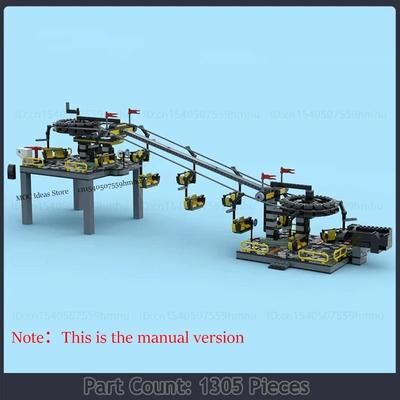
Uplift Picks GBC Chairlift Motorized Building Block STEM Engineering Kit no MotorBuild, power, and watch your creation come to life with this exciting GBC chairlift building block set. Designed as a hands on motorized building block set, it combines gears, movement, and engineering principles in one engaging project. This...252,48 $*Shipping: 0,00 $Secure redirect to the provider
-
AS-PL S6182 Starter motorNumber of mounting bores: 2; Rotation Direction: Clockwise rotation; Flange Diameter [mm]: 62,00; Rated Power [kW]: 1,4; Voltage [V]: 12; Number of Teeth: 9; for OE number: 228000-5090; Quality: STANDARD LINE; New part without deposit: ; Manufacturer Restriction: DENSO142,99 £*Shipping: 1,99 £Secure redirect to the provider
-
AS-PL S0629PR Starter motorNumber of mounting bores: 2; Rotation Direction: Anticlockwise rotation; Number of Teeth: 10; Flange Diameter [mm]: 76,00; Rated Power [kW]: 1; Voltage [V]: 12; Quality: PREMIUM LINE; Exchange Part without deposit: ; Manufacturer Restriction: BOSCH90,99 £*Shipping: 8,45 £Secure redirect to the provider
-
Why don't all motor manufacturers use Freevalve technology?
Not all motor manufacturers use Freevalve technology because it requires a significant investment in research, development, and production. Implementing Freevalve technology also requires a shift in manufacturing processes and expertise, which can be a barrier for some companies. Additionally, some manufacturers may be hesitant to adopt new technology without proven long-term reliability and performance. Finally, there may be concerns about the potential impact on existing supply chains and partnerships. **
-
What is a capacitor motor in electrical engineering?
A capacitor motor is a type of electric motor that uses a capacitor to provide an additional phase shift in the motor's windings. This additional phase shift helps to create a rotating magnetic field, which is necessary for the motor to operate. Capacitor motors are commonly used in applications where a high starting torque is required, such as in air conditioners, refrigerators, and washing machines. They are also known for their simple design and reliable performance. **
-
What is motor full protection in electrical engineering?
Motor full protection in electrical engineering refers to the comprehensive set of measures and devices put in place to ensure the safe and efficient operation of electric motors. This includes protection against overcurrent, overload, overheating, phase imbalance, and short circuits. Motor full protection also involves the use of devices such as thermal overload relays, circuit breakers, and motor starters to prevent damage to the motor and ensure the safety of the overall electrical system. By implementing motor full protection, engineers can minimize the risk of motor failure and prolong the lifespan of the equipment. **
-
What is the difference between a DC motor and a stepper motor in CNC technology?
In CNC technology, a DC motor operates using direct current and rotates continuously, providing smooth and continuous motion. On the other hand, a stepper motor operates by dividing a full rotation into a number of equal steps, allowing for precise control over the movement of the machine. Stepper motors are commonly used in CNC machines for their ability to move in precise increments, while DC motors are often used for applications requiring continuous rotation. **
Similar search terms for Motor
-
AS-PL S9989S Starter motorFlange Diameter [mm]: 99,50; Rated Power [kW]: 2,7; Voltage [V]: 12; Number of Teeth: 10; Number of mounting bores: 3; Rotation Direction: Clockwise rotation; for OE number: 11.139.197; Quality: STANDARD LINE; New part without deposit: ; Manufacturer Restriction: MAGNETON149,99 £*Shipping: 1,99 £Secure redirect to the provider
-
AS-PL S0318 Starter motorNumber of mounting bores: 2; Rotation Direction: Clockwise rotation; Number of Teeth: 9; Flange Diameter [mm]: 68,00; Rated Power [kW]: 1,4; Voltage [V]: 12; for OE number: 0001108053; Quality: STANDARD LINE; New part without deposit: ; Manufacturer Restriction: BOSCH81,49 £*Shipping: 8,45 £Secure redirect to the provider
-
AS-PL S5156 Starter motorFlange Diameter [mm]: 100,00; Rated Power [kW]: 7,5; Voltage [V]: 24; Number of mounting bores: 3; Rotation Direction: Clockwise rotation; Number of Teeth: 13; for OE number: M3T95281; Quality: STANDARD LINE; New part without deposit:147,99 £*Shipping: 1,99 £Secure redirect to the provider
-
AS-PL S6555S Starter motorNumber of mounting bores: 2; Rotation Direction: Anticlockwise rotation; Rated Power [kW]: 0,4; Voltage [V]: 12; Number of Teeth: 9; Quality: STANDARD LINE; New part without deposit: ; Manufacturer Restriction: DENSO44,99 £*Shipping: 8,45 £Secure redirect to the provider
-
What is the difference between electrical engineering, electronics, information technology, and computer engineering?
Electrical engineering focuses on the generation, distribution, and control of electrical energy, as well as the design of electrical systems. Electronics deals with the study of electronic components, circuits, and systems that use electricity to process information. Information technology involves the use of computers and software to manage and process data. Computer engineering combines elements of both electrical engineering and computer science to design and develop computer systems and hardware. Each field has its own specialized focus and applications within the broader realm of technology. **
-
What is the difference between a direct current motor and a stepper motor in CNC technology?
A direct current (DC) motor operates by applying a constant voltage to the motor, resulting in continuous rotation. In contrast, a stepper motor operates by converting digital pulses into precise mechanical movements, allowing for accurate positioning and control. In CNC technology, stepper motors are commonly used for their ability to move in precise increments, making them ideal for applications that require high precision and control, such as 3D printing and CNC milling. On the other hand, DC motors are better suited for applications that require continuous and smooth rotation, such as conveyor belts and spindle drives. **
-
What is better: Electronics technician for industrial engineering or electronics technician for energy and building technology?
The choice between being an electronics technician for industrial engineering or energy and building technology depends on your interests and career goals. If you enjoy working with complex machinery and systems in manufacturing environments, then industrial engineering may be a better fit for you. On the other hand, if you are passionate about sustainable energy solutions and building technology, then energy and building technology could be more fulfilling. Consider your strengths, interests, and long-term career aspirations to make the best decision for yourself. **
-
How are thermistors used in electrical engineering for motor protection?
Thermistors are used in electrical engineering for motor protection by monitoring the temperature of the motor. If the temperature exceeds a certain threshold, it could indicate an overload or fault condition. The thermistor can be connected to a control circuit that will trigger an alarm or shut down the motor to prevent damage. This helps to protect the motor from overheating and potential failure, ultimately extending its lifespan and reducing maintenance costs. **
* All prices are inclusive of VAT and, if applicable, plus shipping costs. The offer information is based on the details provided by the respective shop and is updated through automated processes. Real-time updates do not occur, so deviations can occur in individual cases. ** Note: Parts of this content were created by AI.