Buy hitachi-pl.pl ?
We are moving the project
hitachi-pl.pl .
Are you interested in purchasing the domain
hitachi-pl.pl ?
domain@kv-gmbh.de · 0541-91531010
Buy hitachi-pl.pl ?
What is better: Electronics technician for industrial engineering or electronics technician for energy and building technology?
The choice between being an electronics technician for industrial engineering or energy and building technology depends on your interests and career goals. If you enjoy working with complex machinery and systems in manufacturing environments, then industrial engineering may be a better fit for you. On the other hand, if you are passionate about sustainable energy solutions and building technology, then energy and building technology could be more fulfilling. Consider your strengths, interests, and long-term career aspirations to make the best decision for yourself. **
Is this an energy-efficient LED lamp?
Yes, this is an energy-efficient LED lamp. LED lamps are known for their energy efficiency, as they use significantly less energy than traditional incandescent or fluorescent bulbs. Additionally, LED lamps have a longer lifespan, which means they need to be replaced less frequently, further contributing to energy savings. This lamp also has an ENERGY STAR certification, which indicates that it meets strict energy efficiency guidelines set by the U.S. Environmental Protection Agency. **
Similar search terms for ENERGY-NE00356-Inspection-Lamp
Top-Angebote
Products related to ENERGY-NE00356-Inspection-Lamp:
-
ROOKS OK-03.3038 Inspection LampLuminous Flux [lm]: 800; Battery: Li-Ion Rechargeable Battery; Rechargeable Battery Voltage [V]: 3.7; Battery Capacity [mAh]: 4000 ; Tilt angle [degree]: 360; Features: magnetic; Light Design: LED; Luminous in boost mode [lm]: 1200; Luminous in Eco mode [lm]: 500; Runtime [hrs.]: 4; Plug Type: USB type-C32,99 £*Shipping: 8,45 £Secure redirect to the provider
-
Uplift Essentials COB Portable Cordless Magnetic LED Work Light & Inspection Lamp COB Portable Cordless Magnetic LED Work Light & Inspection LampIlluminate tight engine bays, dark work benches, and home emergency spaces with this COB portable cordless magnetic LED work light. Featuring ChiponBoard (COB) LED technology, this slim inspection lamp delivers a dense, uniform floodlight beam...64,97 $*Shipping: 0,00 $Secure redirect to the provider
-
Uplift Picks 365nm UV Pet Skin Inspection Lamp Waterproof Veterinary Black Light Flashlight 365nm UV Pet Skin Inspection Lamp Waterproof Veterinary Black Light FlashlightHelp monitor your pets skin and coat condition more easily with this UV veterinary lamp designed for home and professional pet care use. Using 365nm ultraviolet light, this handheld flashlight helps improve visibility when checking fur, skin, and...63,50 $*Shipping: 0,00 $Secure redirect to the provider


-
What is the difference between a fluorescent lamp and an energy-saving lamp?
Fluorescent lamps and energy-saving lamps are both types of lighting that are more energy-efficient than traditional incandescent bulbs. The main difference between the two is the technology used to produce light. Fluorescent lamps use a gas and a phosphor coating inside the tube to produce light, while energy-saving lamps use a compact fluorescent bulb that is coiled or folded to save space. Energy-saving lamps are a type of fluorescent lamp designed to be more compact and efficient, making them a popular choice for residential and commercial lighting. **
-
How can one retrain from an electronics technician for energy and building technology to industrial engineering?
To retrain from an electronics technician for energy and building technology to industrial engineering, one could consider pursuing a bachelor's degree in industrial engineering. This would provide a comprehensive understanding of manufacturing processes, supply chain management, and optimization techniques. Additionally, gaining practical experience through internships or co-op programs in industrial engineering roles could help in transitioning to this field. It may also be beneficial to seek out professional development courses or certifications in areas such as project management, quality control, and lean manufacturing to enhance skills and knowledge relevant to industrial engineering. **
-
What is the difference between an electronics technician for industrial engineering and an electronics technician for energy and building technology?
An electronics technician for industrial engineering typically works in manufacturing settings, focusing on the installation, maintenance, and repair of electronic systems used in industrial machinery and equipment. On the other hand, an electronics technician for energy and building technology specializes in the installation, maintenance, and repair of electronic systems used in buildings, such as heating, ventilation, air conditioning, and energy management systems. While both roles require similar technical skills, the specific applications and industries they work in differ significantly. **
-
What is an electronics master for energy and building technology?
An electronics master for energy and building technology is a professional who specializes in designing, installing, and maintaining electronic systems that optimize energy efficiency and control various building functions. They are experts in integrating technologies such as lighting, heating, ventilation, and air conditioning systems to create smart and sustainable buildings. These professionals play a crucial role in ensuring that buildings are energy-efficient, environmentally friendly, and equipped with advanced automation systems for optimal performance. **


What is an electronics technician for energy and building technology?
An electronics technician for energy and building technology is a professional who specializes in installing, maintaining, and repairing electrical and electronic systems in buildings and energy facilities. They are responsible for ensuring that electrical systems are functioning properly, and they may work on a variety of systems including lighting, heating, ventilation, air conditioning, and renewable energy systems. These technicians are trained to troubleshoot and diagnose electrical problems, and they may also be involved in the design and implementation of energy-efficient systems. Overall, their role is crucial in ensuring the safety, efficiency, and functionality of electrical and electronic systems in buildings and energy facilities. **
What temperature can an LED energy-saving lamp withstand?
LED energy-saving lamps can typically withstand temperatures ranging from -20°C to 50°C. This wide temperature range allows them to be used in various environments without compromising their performance. However, extreme temperatures outside of this range may affect the lifespan and efficiency of the LED lamp. **
Top-Angebote
Products related to ENERGY-NE00356-Inspection-Lamp:
-
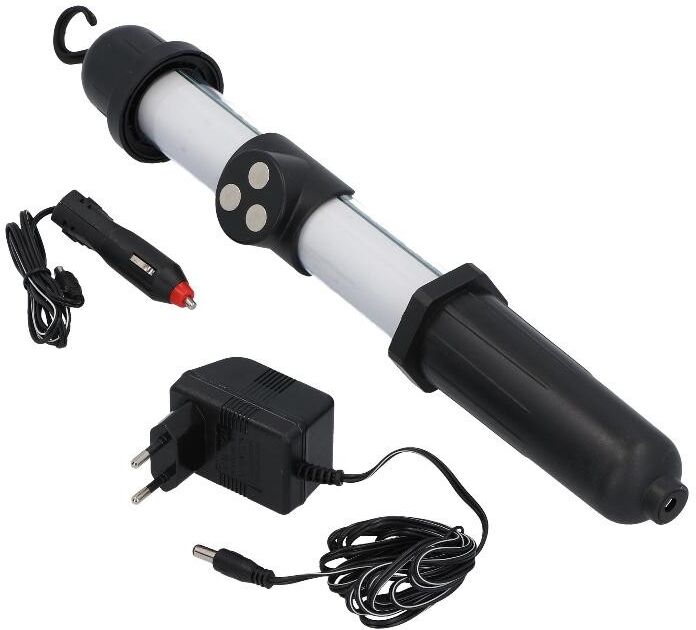
ENERGY NE00356 Inspection LampLamp Type: LED; Candlepower [cd]: 13; Voltage [V]: 7.2; Battery Capacity [mAh]: 700; Moisture protection: with splash-water protection; Rechargeable Battery Type: Li-Ion Rechargeable Battery; Number of LEDs: 60+1; Light Duration [h]: 4; Mains voltage (AC) [V]: 230; DC Voltage [V]: 12; Fastening Type: Hook fixing; Supplementary Article / Supplementary Info Info 2: Magnetic12,49 £*Shipping: 8,45 £Secure redirect to the provider
-
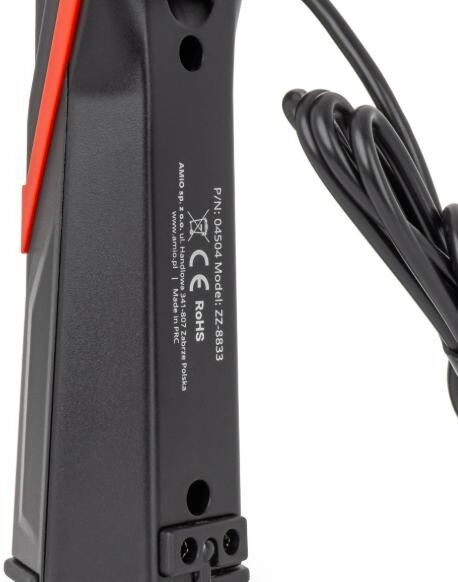
AMiO 04504 Inspection LampBattery: Li-Ion Rechargeable Battery; Features: with rechargeable battery, with charger, magnetic, with hook; Lamp Type: LED; Rechargeable Battery Voltage [V]: 3.7; Light Duration [h]: 2-12; Charging time [h]: 3.5-4; Luminous Flux [lm]: 600, 300, 100; Operating Mode: Battery; Battery Capacity [mAh]: 2600; Mounting Type: Magnet Mount; Cable Length [m]: 0.6; Shock Resistance (IK code): IK07 (up to 2.0J); Connectors/Plugs: USB type-C; Rotation angle [°]: 360; Material: ABS (Acrylonitrile-Butadiene-Styrene Copolymerisate); Protection Type (IP Code): IP2019,99 £*Shipping: 8,45 £Secure redirect to the provider
-
ROOKS OK-03.3038 Inspection LampLuminous Flux [lm]: 800; Battery: Li-Ion Rechargeable Battery; Rechargeable Battery Voltage [V]: 3.7; Battery Capacity [mAh]: 4000 ; Tilt angle [degree]: 360; Features: magnetic; Light Design: LED; Luminous in boost mode [lm]: 1200; Luminous in Eco mode [lm]: 500; Runtime [hrs.]: 4; Plug Type: USB type-C32,99 £*Shipping: 8,45 £Secure redirect to the provider
-
What is better: Electronics technician for industrial engineering or electronics technician for energy and building technology?
The choice between being an electronics technician for industrial engineering or energy and building technology depends on your interests and career goals. If you enjoy working with complex machinery and systems in manufacturing environments, then industrial engineering may be a better fit for you. On the other hand, if you are passionate about sustainable energy solutions and building technology, then energy and building technology could be more fulfilling. Consider your strengths, interests, and long-term career aspirations to make the best decision for yourself. **
-
Is this an energy-efficient LED lamp?
Yes, this is an energy-efficient LED lamp. LED lamps are known for their energy efficiency, as they use significantly less energy than traditional incandescent or fluorescent bulbs. Additionally, LED lamps have a longer lifespan, which means they need to be replaced less frequently, further contributing to energy savings. This lamp also has an ENERGY STAR certification, which indicates that it meets strict energy efficiency guidelines set by the U.S. Environmental Protection Agency. **
-
What is the difference between a fluorescent lamp and an energy-saving lamp?
Fluorescent lamps and energy-saving lamps are both types of lighting that are more energy-efficient than traditional incandescent bulbs. The main difference between the two is the technology used to produce light. Fluorescent lamps use a gas and a phosphor coating inside the tube to produce light, while energy-saving lamps use a compact fluorescent bulb that is coiled or folded to save space. Energy-saving lamps are a type of fluorescent lamp designed to be more compact and efficient, making them a popular choice for residential and commercial lighting. **
-
How can one retrain from an electronics technician for energy and building technology to industrial engineering?
To retrain from an electronics technician for energy and building technology to industrial engineering, one could consider pursuing a bachelor's degree in industrial engineering. This would provide a comprehensive understanding of manufacturing processes, supply chain management, and optimization techniques. Additionally, gaining practical experience through internships or co-op programs in industrial engineering roles could help in transitioning to this field. It may also be beneficial to seek out professional development courses or certifications in areas such as project management, quality control, and lean manufacturing to enhance skills and knowledge relevant to industrial engineering. **
Similar search terms for ENERGY-NE00356-Inspection-Lamp
-
Uplift Essentials COB Portable Cordless Magnetic LED Work Light & Inspection Lamp COB Portable Cordless Magnetic LED Work Light & Inspection LampIlluminate tight engine bays, dark work benches, and home emergency spaces with this COB portable cordless magnetic LED work light. Featuring ChiponBoard (COB) LED technology, this slim inspection lamp delivers a dense, uniform floodlight beam...64,97 $*Shipping: 0,00 $Secure redirect to the provider
-
Uplift Picks 365nm UV Pet Skin Inspection Lamp Waterproof Veterinary Black Light Flashlight 365nm UV Pet Skin Inspection Lamp Waterproof Veterinary Black Light FlashlightHelp monitor your pets skin and coat condition more easily with this UV veterinary lamp designed for home and professional pet care use. Using 365nm ultraviolet light, this handheld flashlight helps improve visibility when checking fur, skin, and...63,50 $*Shipping: 0,00 $Secure redirect to the provider
-
Inspired Deals UV Flashlight Woods Lamp Cat Urine Detector & Fluorescent Inspection Light Moss Detection LampStruggling to find hidden stains or invisible residues in your home This compact UV flashlight 365nm is designed to reveal what your eyes cant seefrom pet accidents to counterfeit items. Perfect for pet owners, skincare enthusiasts, and...39,97 $*Shipping: 0,00 $Secure redirect to the provider
-
Inspired Living ProMag 360 Cordless LED Work Light Magnetic Inspection Lamp 2pcsImagine never fumbling with shadows again when repairing your car, working in the garage or responding to an emergency this compact powerhouse is here to help. The ProMag 360 Cordless LED Work Light is engineered for mechanics, DIYers and...42,47 $*Shipping: 0,00 $Secure redirect to the provider
-
What is the difference between an electronics technician for industrial engineering and an electronics technician for energy and building technology?
An electronics technician for industrial engineering typically works in manufacturing settings, focusing on the installation, maintenance, and repair of electronic systems used in industrial machinery and equipment. On the other hand, an electronics technician for energy and building technology specializes in the installation, maintenance, and repair of electronic systems used in buildings, such as heating, ventilation, air conditioning, and energy management systems. While both roles require similar technical skills, the specific applications and industries they work in differ significantly. **
-
What is an electronics master for energy and building technology?
An electronics master for energy and building technology is a professional who specializes in designing, installing, and maintaining electronic systems that optimize energy efficiency and control various building functions. They are experts in integrating technologies such as lighting, heating, ventilation, and air conditioning systems to create smart and sustainable buildings. These professionals play a crucial role in ensuring that buildings are energy-efficient, environmentally friendly, and equipped with advanced automation systems for optimal performance. **
-
What is an electronics technician for energy and building technology?
An electronics technician for energy and building technology is a professional who specializes in installing, maintaining, and repairing electrical and electronic systems in buildings and energy facilities. They are responsible for ensuring that electrical systems are functioning properly, and they may work on a variety of systems including lighting, heating, ventilation, air conditioning, and renewable energy systems. These technicians are trained to troubleshoot and diagnose electrical problems, and they may also be involved in the design and implementation of energy-efficient systems. Overall, their role is crucial in ensuring the safety, efficiency, and functionality of electrical and electronic systems in buildings and energy facilities. **
-
What temperature can an LED energy-saving lamp withstand?
LED energy-saving lamps can typically withstand temperatures ranging from -20°C to 50°C. This wide temperature range allows them to be used in various environments without compromising their performance. However, extreme temperatures outside of this range may affect the lifespan and efficiency of the LED lamp. **
* All prices are inclusive of VAT and, if applicable, plus shipping costs. The offer information is based on the details provided by the respective shop and is updated through automated processes. Real-time updates do not occur, so deviations can occur in individual cases. ** Note: Parts of this content were created by AI.