Buy hitachi-pl.pl ?
We are moving the project
hitachi-pl.pl .
Are you interested in purchasing the domain
hitachi-pl.pl ?
domain@kv-gmbh.de · 0541-91531010
Buy hitachi-pl.pl ?
What is direct current technology?
Direct current (DC) technology is a type of electrical power transmission and distribution system in which the flow of electric charge is uni-directional. This means that the electric current flows in one direction, from the positive terminal to the negative terminal. DC technology is commonly used in small electronic devices, such as cell phones and laptops, as well as in some renewable energy systems, like solar panels and batteries. It is also used in some specialized industrial applications where a constant and stable power supply is required. **
Does household appliances absolutely need to convert direct current into alternating current?
Household appliances do not absolutely need to convert direct current into alternating current. Many modern appliances are designed to operate on direct current, such as those powered by batteries or solar panels. However, most homes are wired for alternating current, so appliances that run on direct current may require a converter to be used in a standard household setting. Overall, the need to convert direct current into alternating current depends on the specific appliance and the electrical system it is being used with. **

Similar search terms for Current
Top-Angebote
Products related to Current:
-
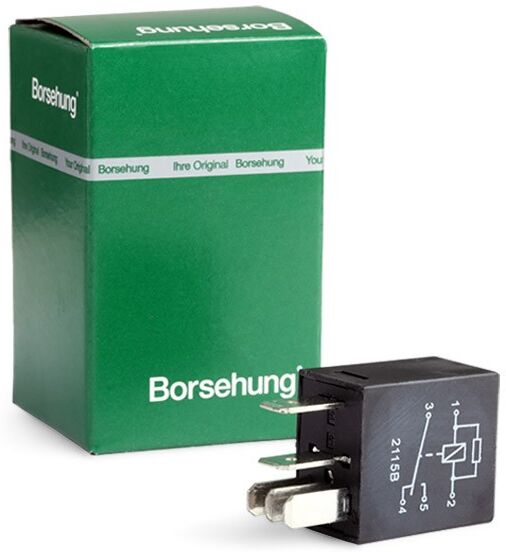
Borsehung B17818 Relay, main currentRelay function: Pre-glow device, X contact relief; Rated Voltage [V]: 12; Number of connectors: 4; Current Strength [A]: 70; Relay Number: 644; Construction Year from: 01/2006, 03/2010, 05/2010, 02/2010, 05/2002, 11/2002, 12/2002, 07/2003, 03/2003, 02/2003, 01/2004, 03/2004, 10/2003, 12/2003, 11/2003, 05/2004, 06/2004, 02/2004, 04/2004, 11/2004, 07/2004, 03/2005, 10/2004, 05/2005, 09/2004, 11/2005, 10/2005, 09/2005, 08/2005, 07/2005, 07/2006, 04/2006, 08/2006, 12/2005, 05/2006, 03/2006, 06/2006, 02/2005, 11/2006, 06/2005, 08/2007, 07/2007, 02/2007, 09/2007, 06/2007, 12/2007, 11/2007, 03/2008, 02/2006, 09/2008, 12/2006, 08/2008, 07/2009, 10/2009, 01/2010, 08/2009, 11/2009, 01/2008, 02/2008, 09/20097,99 £*Shipping: 8,45 £Secure redirect to the provider


-
Do household appliances need to be converted from direct current to alternating current?
No, household appliances do not need to be converted from direct current (DC) to alternating current (AC) in most cases. Most household appliances are designed to run on AC power, which is the standard electrical supply in homes. However, some electronic devices like laptops and phones have built-in converters that allow them to run on DC power from batteries or chargers. It is important to use the correct type of power source for each appliance to ensure proper functioning and safety. **
-
What is alternating current technology 2?
Alternating current technology 2 refers to the use of alternating current (AC) in electrical systems. AC technology involves the flow of electric charge that periodically reverses direction, as opposed to direct current (DC) which flows in only one direction. AC technology is commonly used in power distribution systems, as it allows for the efficient transmission of electricity over long distances. It is also used in many household appliances and industrial machinery. **
-
What is the difference between electrical engineering, electronics, information technology, and computer engineering?
Electrical engineering focuses on the generation, distribution, and control of electrical energy, as well as the design of electrical systems. Electronics deals with the study of electronic components, circuits, and systems that use electricity to process information. Information technology involves the use of computers and software to manage and process data. Computer engineering combines elements of both electrical engineering and computer science to design and develop computer systems and hardware. Each field has its own specialized focus and applications within the broader realm of technology. **
-
What technology does your current television have?
My current television is a smart TV, which means it has built-in internet connectivity and can access streaming services like Netflix, Hulu, and YouTube. It also has a 4K Ultra HD resolution, providing a high-quality picture with vibrant colors and sharp details. Additionally, it has voice control capabilities, allowing me to use voice commands to change channels, search for content, and control other smart home devices. **


What is alternating current in electrical engineering?
Alternating current (AC) is a type of electrical current in which the flow of electric charge periodically reverses direction. This means that the voltage and current in an AC circuit change direction and magnitude over time, typically following a sinusoidal waveform. AC is the most common type of electrical current used in power distribution systems and is preferred for long-distance transmission due to its ability to be easily converted to different voltage levels using transformers. In electrical engineering, understanding AC is crucial for designing and analyzing power systems, motors, and other electrical devices. **
What is direct current in electrical engineering?
Direct current (DC) is a type of electrical current that flows in one direction only, without changing its polarity. In electrical engineering, direct current is often used in electronic devices and power transmission systems. It is typically produced by sources such as batteries, solar cells, and rectifiers, and is commonly used in applications where a steady and constant flow of electricity is required, such as in electronic circuits and certain types of motors. **
Top-Angebote
Products related to Current:
-
Current Softflex Dark Blue Grill Cover For Current Model G and Model G 2.0Protect your investment with the Ocean Colored Current Softflex Cover. It is lightweight yet built to withstand the elements and custom sized to fit your Current grill or griddle. Machine washable, and made to last and stylish.99,99 $*Shipping: 0,00 $Secure redirect to the provider
-
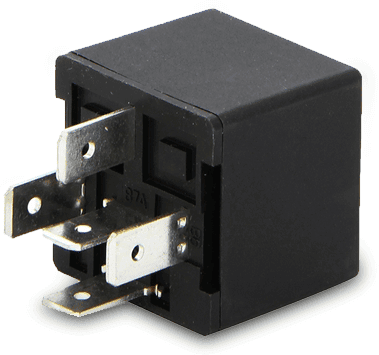
Borsehung B17806 Relay, main currentConstruction Year from: 01/2009, 11/1995, 03/2006, 01/1997, 06/2010, 11/1996, 05/2010, 10/1997, 09/1997, 08/1997, 03/2012, 08/2010, 02/2011, 02/2009, 08/2008, 04/2011, 09/2008, 09/1998, 08/1998, 05/2000, 03/2000, 10/1999, 06/2001, 04/2000, 01/2001, 02/2001, 04/2002, 06/2002, 02/2002, 09/2002, 08/2002, 05/2001, 12/2002, 10/2002, 01/2003, 09/2003, 05/2003, 03/2003, 08/2003, 04/2004, 05/2004, 07/2003, 01/2004, 03/2004, 10/2003, 12/2003, 02/2004, 02/2003, 07/2004, 08/2004, 09/2004, 06/2004, 01/2005, 03/2005, 05/2005, 11/2004, 02/2005, 08/2005, 07/2005, 11/2005, 10/2004, 01/2006, 12/2005, 04/2005, 10/2005, 09/2005, 09/2006, 06/2006, 10/2006, 05/2006, 11/2006, 12/2006, 08/2006, 07/2006, 06/2007, 07/2007, 01/2007, 02/2006, 11/2007, 10/2007, 05/2007, 09/2007, 04/2007, 08/2007, 01/2008, 02/2008, 05/2008, 04/2006, 12/2008, 02/2007, 11/2008, 10/2008, 07/2008, 04/2009, 07/2009, 09/2009, 12/2009, 11/2009, 03/2010, 08/2009, 01/2010, 02/2010, 04/2008, 07/20105,29 £*Shipping: 8,45 £Secure redirect to the provider
-
Borsehung B17818 Relay, main currentRelay function: Pre-glow device, X contact relief; Rated Voltage [V]: 12; Number of connectors: 4; Current Strength [A]: 70; Relay Number: 644; Construction Year from: 01/2006, 03/2010, 05/2010, 02/2010, 05/2002, 11/2002, 12/2002, 07/2003, 03/2003, 02/2003, 01/2004, 03/2004, 10/2003, 12/2003, 11/2003, 05/2004, 06/2004, 02/2004, 04/2004, 11/2004, 07/2004, 03/2005, 10/2004, 05/2005, 09/2004, 11/2005, 10/2005, 09/2005, 08/2005, 07/2005, 07/2006, 04/2006, 08/2006, 12/2005, 05/2006, 03/2006, 06/2006, 02/2005, 11/2006, 06/2005, 08/2007, 07/2007, 02/2007, 09/2007, 06/2007, 12/2007, 11/2007, 03/2008, 02/2006, 09/2008, 12/2006, 08/2008, 07/2009, 10/2009, 01/2010, 08/2009, 11/2009, 01/2008, 02/2008, 09/20097,99 £*Shipping: 8,45 £Secure redirect to the provider
-
What is direct current technology?
Direct current (DC) technology is a type of electrical power transmission and distribution system in which the flow of electric charge is uni-directional. This means that the electric current flows in one direction, from the positive terminal to the negative terminal. DC technology is commonly used in small electronic devices, such as cell phones and laptops, as well as in some renewable energy systems, like solar panels and batteries. It is also used in some specialized industrial applications where a constant and stable power supply is required. **
-
Does household appliances absolutely need to convert direct current into alternating current?
Household appliances do not absolutely need to convert direct current into alternating current. Many modern appliances are designed to operate on direct current, such as those powered by batteries or solar panels. However, most homes are wired for alternating current, so appliances that run on direct current may require a converter to be used in a standard household setting. Overall, the need to convert direct current into alternating current depends on the specific appliance and the electrical system it is being used with. **
-
Do household appliances need to be converted from direct current to alternating current?
No, household appliances do not need to be converted from direct current (DC) to alternating current (AC) in most cases. Most household appliances are designed to run on AC power, which is the standard electrical supply in homes. However, some electronic devices like laptops and phones have built-in converters that allow them to run on DC power from batteries or chargers. It is important to use the correct type of power source for each appliance to ensure proper functioning and safety. **
-
What is alternating current technology 2?
Alternating current technology 2 refers to the use of alternating current (AC) in electrical systems. AC technology involves the flow of electric charge that periodically reverses direction, as opposed to direct current (DC) which flows in only one direction. AC technology is commonly used in power distribution systems, as it allows for the efficient transmission of electricity over long distances. It is also used in many household appliances and industrial machinery. **
Similar search terms for Current
-
What is the difference between electrical engineering, electronics, information technology, and computer engineering?
Electrical engineering focuses on the generation, distribution, and control of electrical energy, as well as the design of electrical systems. Electronics deals with the study of electronic components, circuits, and systems that use electricity to process information. Information technology involves the use of computers and software to manage and process data. Computer engineering combines elements of both electrical engineering and computer science to design and develop computer systems and hardware. Each field has its own specialized focus and applications within the broader realm of technology. **
-
What technology does your current television have?
My current television is a smart TV, which means it has built-in internet connectivity and can access streaming services like Netflix, Hulu, and YouTube. It also has a 4K Ultra HD resolution, providing a high-quality picture with vibrant colors and sharp details. Additionally, it has voice control capabilities, allowing me to use voice commands to change channels, search for content, and control other smart home devices. **
-
What is alternating current in electrical engineering?
Alternating current (AC) is a type of electrical current in which the flow of electric charge periodically reverses direction. This means that the voltage and current in an AC circuit change direction and magnitude over time, typically following a sinusoidal waveform. AC is the most common type of electrical current used in power distribution systems and is preferred for long-distance transmission due to its ability to be easily converted to different voltage levels using transformers. In electrical engineering, understanding AC is crucial for designing and analyzing power systems, motors, and other electrical devices. **
-
What is direct current in electrical engineering?
Direct current (DC) is a type of electrical current that flows in one direction only, without changing its polarity. In electrical engineering, direct current is often used in electronic devices and power transmission systems. It is typically produced by sources such as batteries, solar cells, and rectifiers, and is commonly used in applications where a steady and constant flow of electricity is required, such as in electronic circuits and certain types of motors. **
* All prices are inclusive of VAT and, if applicable, plus shipping costs. The offer information is based on the details provided by the respective shop and is updated through automated processes. Real-time updates do not occur, so deviations can occur in individual cases. ** Note: Parts of this content were created by AI.