Buy hitachi-pl.pl ?
We are moving the project
hitachi-pl.pl .
Are you interested in purchasing the domain
hitachi-pl.pl ?
domain@kv-gmbh.de · 0541-91531010
Buy hitachi-pl.pl ?
Does technology control our everyday decisions or do our decisions control technology?
Our decisions ultimately control technology. While technology may influence our choices and behaviors, it is ultimately up to us to decide how we use and interact with technology in our everyday lives. We have the power to choose when and how to use technology, and to set boundaries and limits for ourselves. It's important to be mindful of our relationship with technology and to make conscious decisions about how we integrate it into our daily routines. **
How do you calculate control parameters in control engineering?
In control engineering, control parameters are calculated based on the desired system response and the characteristics of the system being controlled. The process typically involves analyzing the system's dynamics, stability, and performance requirements, and then using mathematical models and control theory to determine the appropriate control parameters. This may involve techniques such as root locus analysis, frequency response analysis, and pole placement methods to design the controller and calculate the control parameters. The goal is to ensure that the control system achieves the desired performance while maintaining stability and robustness. **

Similar search terms for Control
Top-Angebote
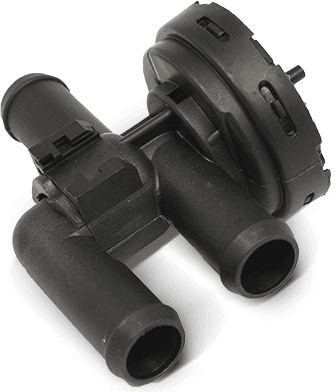
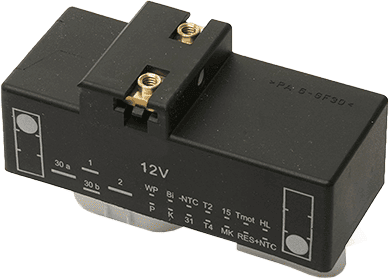
Products related to Control:


-
What is control engineering in electrical engineering?
Control engineering in electrical engineering is the application of control theory to design systems that regulate the behavior of dynamic systems. It involves the use of mathematical models and algorithms to manipulate the input to a system in order to achieve the desired output. Control engineers design and implement control systems for a wide range of applications, such as robotics, power systems, and industrial automation. This field is crucial for ensuring the stability, efficiency, and safety of electrical systems. **
-
What is control engineering 3?
Control engineering 3 is a branch of engineering that deals with designing and implementing control systems to manage and regulate the behavior of dynamic systems. It involves the use of mathematical models, algorithms, and feedback mechanisms to ensure that systems operate efficiently and effectively. Control engineering 3 builds upon the principles of control engineering 1 and 2, focusing on more complex systems and advanced control strategies. This field is crucial in various industries, including aerospace, automotive, robotics, and manufacturing, to optimize performance, stability, and reliability of systems. **
-
What is the difference between electrical engineering, electronics, information technology, and computer engineering?
Electrical engineering focuses on the generation, distribution, and control of electrical energy, as well as the design of electrical systems. Electronics deals with the study of electronic components, circuits, and systems that use electricity to process information. Information technology involves the use of computers and software to manage and process data. Computer engineering combines elements of both electrical engineering and computer science to design and develop computer systems and hardware. Each field has its own specialized focus and applications within the broader realm of technology. **
-
Do we have control over technology, or does it have control over us?
Technology is a tool that we create and use to make our lives easier and more efficient. However, as technology advances, it can become more pervasive in our lives, leading to a feeling of being controlled by it. Ultimately, we have control over how we use technology and the boundaries we set for its influence in our lives. It's important to be mindful of our relationship with technology and to use it in a way that enhances our lives rather than allowing it to control us. **

What is Kp-Krit in control engineering?
Kp-Krit, also known as the ultimate gain, is a parameter used in control engineering to determine the ultimate gain of a system. It is used in the Ziegler-Nichols method for tuning proportional-integral-derivative (PID) controllers. Kp-Krit is the value of the proportional gain at which the system oscillates at its ultimate frequency and amplitude. This parameter is used to calculate the proportional, integral, and derivative gains for the PID controller to achieve the desired system response. **
What is the fundamental difference between control engineering and regulation engineering?
Control engineering focuses on designing systems to maintain a desired output despite disturbances, uncertainties, and variations in the input. It involves the use of feedback to continuously monitor the output and adjust the input to maintain the desired performance. On the other hand, regulation engineering is more focused on maintaining a specific setpoint or reference value for the output, without necessarily considering disturbances or uncertainties. It involves designing systems to achieve a specific desired output and maintaining it at a constant level. In summary, control engineering deals with maintaining performance despite disturbances, while regulation engineering focuses on maintaining a specific setpoint. **
Top-Angebote
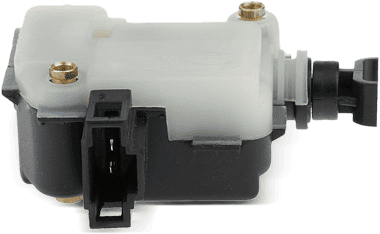
Products related to Control:
-
Does technology control our everyday decisions or do our decisions control technology?
Our decisions ultimately control technology. While technology may influence our choices and behaviors, it is ultimately up to us to decide how we use and interact with technology in our everyday lives. We have the power to choose when and how to use technology, and to set boundaries and limits for ourselves. It's important to be mindful of our relationship with technology and to make conscious decisions about how we integrate it into our daily routines. **
-
How do you calculate control parameters in control engineering?
In control engineering, control parameters are calculated based on the desired system response and the characteristics of the system being controlled. The process typically involves analyzing the system's dynamics, stability, and performance requirements, and then using mathematical models and control theory to determine the appropriate control parameters. This may involve techniques such as root locus analysis, frequency response analysis, and pole placement methods to design the controller and calculate the control parameters. The goal is to ensure that the control system achieves the desired performance while maintaining stability and robustness. **
-
What is control engineering in electrical engineering?
Control engineering in electrical engineering is the application of control theory to design systems that regulate the behavior of dynamic systems. It involves the use of mathematical models and algorithms to manipulate the input to a system in order to achieve the desired output. Control engineers design and implement control systems for a wide range of applications, such as robotics, power systems, and industrial automation. This field is crucial for ensuring the stability, efficiency, and safety of electrical systems. **
-
What is control engineering 3?
Control engineering 3 is a branch of engineering that deals with designing and implementing control systems to manage and regulate the behavior of dynamic systems. It involves the use of mathematical models, algorithms, and feedback mechanisms to ensure that systems operate efficiently and effectively. Control engineering 3 builds upon the principles of control engineering 1 and 2, focusing on more complex systems and advanced control strategies. This field is crucial in various industries, including aerospace, automotive, robotics, and manufacturing, to optimize performance, stability, and reliability of systems. **
Similar search terms for Control
-
What is the difference between electrical engineering, electronics, information technology, and computer engineering?
Electrical engineering focuses on the generation, distribution, and control of electrical energy, as well as the design of electrical systems. Electronics deals with the study of electronic components, circuits, and systems that use electricity to process information. Information technology involves the use of computers and software to manage and process data. Computer engineering combines elements of both electrical engineering and computer science to design and develop computer systems and hardware. Each field has its own specialized focus and applications within the broader realm of technology. **
-
Do we have control over technology, or does it have control over us?
Technology is a tool that we create and use to make our lives easier and more efficient. However, as technology advances, it can become more pervasive in our lives, leading to a feeling of being controlled by it. Ultimately, we have control over how we use technology and the boundaries we set for its influence in our lives. It's important to be mindful of our relationship with technology and to use it in a way that enhances our lives rather than allowing it to control us. **
-
What is Kp-Krit in control engineering?
Kp-Krit, also known as the ultimate gain, is a parameter used in control engineering to determine the ultimate gain of a system. It is used in the Ziegler-Nichols method for tuning proportional-integral-derivative (PID) controllers. Kp-Krit is the value of the proportional gain at which the system oscillates at its ultimate frequency and amplitude. This parameter is used to calculate the proportional, integral, and derivative gains for the PID controller to achieve the desired system response. **
-
What is the fundamental difference between control engineering and regulation engineering?
Control engineering focuses on designing systems to maintain a desired output despite disturbances, uncertainties, and variations in the input. It involves the use of feedback to continuously monitor the output and adjust the input to maintain the desired performance. On the other hand, regulation engineering is more focused on maintaining a specific setpoint or reference value for the output, without necessarily considering disturbances or uncertainties. It involves designing systems to achieve a specific desired output and maintaining it at a constant level. In summary, control engineering deals with maintaining performance despite disturbances, while regulation engineering focuses on maintaining a specific setpoint. **
* All prices are inclusive of VAT and, if applicable, plus shipping costs. The offer information is based on the details provided by the respective shop and is updated through automated processes. Real-time updates do not occur, so deviations can occur in individual cases. ** Note: Parts of this content were created by AI.