Buy hitachi-pl.pl ?
We are moving the project
hitachi-pl.pl .
Are you interested in purchasing the domain
hitachi-pl.pl ?
domain@kv-gmbh.de · 0541-91531010
Buy hitachi-pl.pl ?
What is the difference between electrical engineering, electronics, information technology, and computer engineering?
Electrical engineering focuses on the generation, distribution, and control of electrical energy, as well as the design of electrical systems. Electronics deals with the study of electronic components, circuits, and systems that use electricity to process information. Information technology involves the use of computers and software to manage and process data. Computer engineering combines elements of both electrical engineering and computer science to design and develop computer systems and hardware. Each field has its own specialized focus and applications within the broader realm of technology. **
What is better: Electronics technician for industrial engineering or electronics technician for energy and building technology?
The choice between being an electronics technician for industrial engineering or energy and building technology depends on your interests and career goals. If you enjoy working with complex machinery and systems in manufacturing environments, then industrial engineering may be a better fit for you. On the other hand, if you are passionate about sustainable energy solutions and building technology, then energy and building technology could be more fulfilling. Consider your strengths, interests, and long-term career aspirations to make the best decision for yourself. **

Similar search terms for A
Top-Angebote
Products related to A:
-
NTY A-PL-000 Shock absorberFitting Position: Front Axle Left; Shock Absorber Type: Gas Pressure; Shock Absorber Design: Suspension Strut; Shock Absorber Mounting Type: Top pin, Bottom Clamp; Shock Absorber System: Twin-Tube; Observe technical data: ; Replace in pairs only: ; Paired product: A-PL-001; Fabrication Number: A-PL-00040,49 £*Shipping: 8,45 £Secure redirect to the provider
-
NTY A-PL-012 Shock absorberFitting Position: Front Axle Left; Shock Absorber Type: Gas Pressure; Shock Absorber Design: Suspension Strut; Shock Absorber Mounting Type: Top pin, Bottom Clamp; Shock Absorber System: Twin-Tube; Observe technical data: ; Replace in pairs only: ; Paired product: A-PL-013; Fabrication Number: A-PL-01237,49 £*Shipping: 8,45 £Secure redirect to the provider
-
NTY A-PL-013 Shock absorberFitting Position: Front Axle Right; Shock Absorber Type: Gas Pressure; Shock Absorber Design: Suspension Strut; Shock Absorber Mounting Type: Top pin, Bottom Clamp; Shock Absorber System: Twin-Tube; Observe technical data: ; Replace in pairs only: ; Paired product: A-PL-012; Fabrication Number: A-PL-01337,49 £*Shipping: 8,45 £Secure redirect to the provider
-
NTY A-PL-014 Shock absorberFitting Position: Rear Axle Left, Rear Axle Right; Shock Absorber Type: Gas Pressure; Shock Absorber Design: Telescopic Shock Absorber; Shock Absorber Mounting Type: Top pin, Bottom eye; Fabrication Number: A-PL-01423,49 £*Shipping: 8,45 £Secure redirect to the provider


-
How does one switch from an electronics technician for industrial engineering to an electronics technician for automation technology?
To switch from being an electronics technician for industrial engineering to automation technology, one can start by gaining knowledge and skills specific to automation technology through courses, workshops, or certifications. It is important to familiarize oneself with automation systems, PLC programming, robotics, and other relevant technologies. Networking with professionals in the automation industry and seeking opportunities for hands-on experience in automation projects can also be beneficial. Updating one's resume and highlighting any relevant experience or skills related to automation technology will help in transitioning to a new role as an electronics technician for automation technology. **
-
How do you switch from an electronics technician for industrial engineering to an electronics technician for automation technology?
To switch from being an electronics technician for industrial engineering to automation technology, you may need to acquire additional training or certifications specific to automation technology. This could involve taking courses or workshops focused on automation systems, programmable logic controllers (PLCs), robotics, and other relevant technologies. It would also be beneficial to gain practical experience in automation technology through internships or on-the-job training. Networking with professionals in the automation technology field and seeking out job opportunities that align with your new career focus can also help facilitate the transition. **
-
How can one switch from an electronics technician for industrial engineering to an electronics technician for automation technology?
To switch from being an electronics technician for industrial engineering to automation technology, one can start by gaining knowledge and skills specific to automation technology through courses or training programs. It is important to familiarize oneself with automation systems, PLC programming, and control systems. Additionally, gaining hands-on experience in automation technology through internships or on-the-job training can be beneficial. Networking with professionals in the automation technology field and seeking mentorship can also help in making a successful transition. **
-
What is the difference between an electronics technician for industrial engineering and an electronics technician for automation technology?
An electronics technician for industrial engineering typically focuses on maintaining and repairing electronic systems used in various industries, such as manufacturing plants or power plants. They are responsible for ensuring that electronic equipment operates efficiently and safely within an industrial setting. On the other hand, an electronics technician for automation technology specializes in designing, installing, and maintaining automated systems that control machinery and processes. They work with programmable logic controllers (PLCs) and other advanced technologies to optimize production processes and increase efficiency in industrial automation. **


What is the difference between electrical engineering, electronics, information technology, and technical computer science?
Electrical engineering focuses on the generation, transmission, and distribution of electrical power, as well as the design of electrical systems. Electronics deals with the study of electronic components, circuits, and systems, including semiconductors and transistors. Information technology involves the use of computer systems to store, retrieve, transmit, and manipulate data. Technical computer science focuses on the design and development of software and hardware systems, including programming languages and algorithms. Each field has its own specialized focus within the broader realm of technology and engineering. **
What is the difference between an electronics technician for industrial engineering and an electronics technician for energy and building technology?
An electronics technician for industrial engineering typically works in manufacturing settings, focusing on the installation, maintenance, and repair of electronic systems used in industrial machinery and equipment. On the other hand, an electronics technician for energy and building technology specializes in the installation, maintenance, and repair of electronic systems used in buildings, such as heating, ventilation, air conditioning, and energy management systems. While both roles require similar technical skills, the specific applications and industries they work in differ significantly. **
Top-Angebote
Products related to A:
-
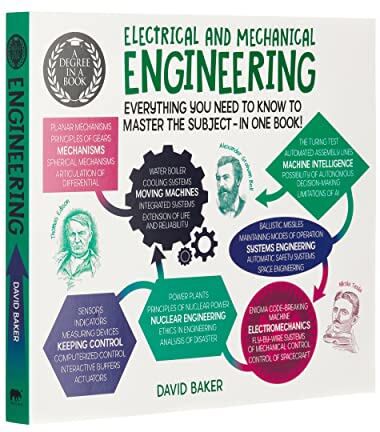
Arcturus A Degree in a Book: Electrical & Mechanical Engineering by Dr. David Baker Illustrated Engineering Guide Degree in a Book SeriesGain a clear understanding of engineering principles with A Degree in a Book: Electrical and Mechanical Engineering by David Baker. Part of the acclaimed Degree in a Book series, this highly visual guide simplifies the essential concepts of electrical and mechanical engineering into an accessible and engaging format. Written by former NASA engineer Dr. David Baker, the book features full-colour illustrations, diagrams, flowcharts, timelines, and infographics to help readers grasp complex engineering topics with ease. It covers key subjects including mechanics, electricity, electronics, thermodynamics, materials, manufacturing, artificial intelligence, nuclear engineering, and emerging technologies. Whether you're a student beginning your engineering journey, preparing for exams, or simply interested in understanding how engineering shapes the modern world, this book provides a practical introduction without requiring prior technical knowledge. Why Readers Love This Book: Comprehensive introduction to electrical and mechanical engineering Written by former NASA engineer Dr. David Baker Full-colour illustrations, diagrams, and infographics for easy learning Covers both engineering theory and real-world applications Ideal for students, STEM enthusiasts, and lifelong learners Part of the bestselling Degree in a Book educational series A practical and engaging engineering reference, A Degree in a Book: Electrical & Mechanical Engineering makes complex technical concepts easy to understand for readers of all levels.5,99 £*Shipping: 2,99 £Secure redirect to the provider
-
Puffin Sadhguru: A Yogi's Guide Collection 3 Books Set (Inner Engineering, Karma, Death)Inner Engineering 'Inner Engineering is a fascinating read, rich with Sadhguru s insights and his teachings. In his revolutionary new book, visionary, mystic and yogi Sadhguru distils his own experiences with spirituality and yoga and introduces the transformational concept of Inner Engineering.Karma A much-used word, Karma is loosely understood as a system of checks and balances in our lives, of good actions and bad deeds, of good thoughts and bad intentions. A system which seemingly ensures that at the end of the day one gets what one deserves. This grossly over-simplified understanding has created many complexities in our lives and taken away from us the very fundamentals of the joy of living.Death Conversation about death are a taboo in most societies in the world. But what if we have got this completely wrong? What if death was not the catastrophe it is made out to be but an essential aspect of life, rife with spiritual possibilities for transcendence? For the first time, someone is saying just that.15,99 £*Shipping: 2,99 £Secure redirect to the provider
-
NTY A-PL-000 Shock absorberFitting Position: Front Axle Left; Shock Absorber Type: Gas Pressure; Shock Absorber Design: Suspension Strut; Shock Absorber Mounting Type: Top pin, Bottom Clamp; Shock Absorber System: Twin-Tube; Observe technical data: ; Replace in pairs only: ; Paired product: A-PL-001; Fabrication Number: A-PL-00040,49 £*Shipping: 8,45 £Secure redirect to the provider
-
NTY A-PL-012 Shock absorberFitting Position: Front Axle Left; Shock Absorber Type: Gas Pressure; Shock Absorber Design: Suspension Strut; Shock Absorber Mounting Type: Top pin, Bottom Clamp; Shock Absorber System: Twin-Tube; Observe technical data: ; Replace in pairs only: ; Paired product: A-PL-013; Fabrication Number: A-PL-01237,49 £*Shipping: 8,45 £Secure redirect to the provider
-
What is the difference between electrical engineering, electronics, information technology, and computer engineering?
Electrical engineering focuses on the generation, distribution, and control of electrical energy, as well as the design of electrical systems. Electronics deals with the study of electronic components, circuits, and systems that use electricity to process information. Information technology involves the use of computers and software to manage and process data. Computer engineering combines elements of both electrical engineering and computer science to design and develop computer systems and hardware. Each field has its own specialized focus and applications within the broader realm of technology. **
-
What is better: Electronics technician for industrial engineering or electronics technician for energy and building technology?
The choice between being an electronics technician for industrial engineering or energy and building technology depends on your interests and career goals. If you enjoy working with complex machinery and systems in manufacturing environments, then industrial engineering may be a better fit for you. On the other hand, if you are passionate about sustainable energy solutions and building technology, then energy and building technology could be more fulfilling. Consider your strengths, interests, and long-term career aspirations to make the best decision for yourself. **
-
How does one switch from an electronics technician for industrial engineering to an electronics technician for automation technology?
To switch from being an electronics technician for industrial engineering to automation technology, one can start by gaining knowledge and skills specific to automation technology through courses, workshops, or certifications. It is important to familiarize oneself with automation systems, PLC programming, robotics, and other relevant technologies. Networking with professionals in the automation industry and seeking opportunities for hands-on experience in automation projects can also be beneficial. Updating one's resume and highlighting any relevant experience or skills related to automation technology will help in transitioning to a new role as an electronics technician for automation technology. **
-
How do you switch from an electronics technician for industrial engineering to an electronics technician for automation technology?
To switch from being an electronics technician for industrial engineering to automation technology, you may need to acquire additional training or certifications specific to automation technology. This could involve taking courses or workshops focused on automation systems, programmable logic controllers (PLCs), robotics, and other relevant technologies. It would also be beneficial to gain practical experience in automation technology through internships or on-the-job training. Networking with professionals in the automation technology field and seeking out job opportunities that align with your new career focus can also help facilitate the transition. **
Similar search terms for A
-
NTY A-PL-013 Shock absorberFitting Position: Front Axle Right; Shock Absorber Type: Gas Pressure; Shock Absorber Design: Suspension Strut; Shock Absorber Mounting Type: Top pin, Bottom Clamp; Shock Absorber System: Twin-Tube; Observe technical data: ; Replace in pairs only: ; Paired product: A-PL-012; Fabrication Number: A-PL-01337,49 £*Shipping: 8,45 £Secure redirect to the provider
-
NTY A-PL-014 Shock absorberFitting Position: Rear Axle Left, Rear Axle Right; Shock Absorber Type: Gas Pressure; Shock Absorber Design: Telescopic Shock Absorber; Shock Absorber Mounting Type: Top pin, Bottom eye; Fabrication Number: A-PL-01423,49 £*Shipping: 8,45 £Secure redirect to the provider
-
NTY A-PL-015 Shock absorberFitting Position: Front Axle Left; Shock Absorber Type: Gas Pressure; Shock Absorber Design: Suspension Strut; Shock Absorber Mounting Type: Top pin, Bottom Clamp; Shock Absorber System: Twin-Tube; Observe technical data: ; Paired product: A-PL-016; Fabrication Number: A-PL-01533,99 £*Shipping: 8,45 £Secure redirect to the provider
-
How can one switch from an electronics technician for industrial engineering to an electronics technician for automation technology?
To switch from being an electronics technician for industrial engineering to automation technology, one can start by gaining knowledge and skills specific to automation technology through courses or training programs. It is important to familiarize oneself with automation systems, PLC programming, and control systems. Additionally, gaining hands-on experience in automation technology through internships or on-the-job training can be beneficial. Networking with professionals in the automation technology field and seeking mentorship can also help in making a successful transition. **
-
What is the difference between an electronics technician for industrial engineering and an electronics technician for automation technology?
An electronics technician for industrial engineering typically focuses on maintaining and repairing electronic systems used in various industries, such as manufacturing plants or power plants. They are responsible for ensuring that electronic equipment operates efficiently and safely within an industrial setting. On the other hand, an electronics technician for automation technology specializes in designing, installing, and maintaining automated systems that control machinery and processes. They work with programmable logic controllers (PLCs) and other advanced technologies to optimize production processes and increase efficiency in industrial automation. **
-
What is the difference between electrical engineering, electronics, information technology, and technical computer science?
Electrical engineering focuses on the generation, transmission, and distribution of electrical power, as well as the design of electrical systems. Electronics deals with the study of electronic components, circuits, and systems, including semiconductors and transistors. Information technology involves the use of computer systems to store, retrieve, transmit, and manipulate data. Technical computer science focuses on the design and development of software and hardware systems, including programming languages and algorithms. Each field has its own specialized focus within the broader realm of technology and engineering. **
-
What is the difference between an electronics technician for industrial engineering and an electronics technician for energy and building technology?
An electronics technician for industrial engineering typically works in manufacturing settings, focusing on the installation, maintenance, and repair of electronic systems used in industrial machinery and equipment. On the other hand, an electronics technician for energy and building technology specializes in the installation, maintenance, and repair of electronic systems used in buildings, such as heating, ventilation, air conditioning, and energy management systems. While both roles require similar technical skills, the specific applications and industries they work in differ significantly. **
* All prices are inclusive of VAT and, if applicable, plus shipping costs. The offer information is based on the details provided by the respective shop and is updated through automated processes. Real-time updates do not occur, so deviations can occur in individual cases. ** Note: Parts of this content were created by AI.