Buy hitachi-pl.pl ?
We are moving the project
hitachi-pl.pl .
Are you interested in purchasing the domain
hitachi-pl.pl ?
domain@kv-gmbh.de · 0541-91531010
Buy hitachi-pl.pl ?
What will technology bring in the year 2022?
In 2022, technology is expected to bring further advancements in artificial intelligence, with more sophisticated AI systems being developed for various applications. Additionally, there will likely be continued progress in the development of 5G technology, leading to faster and more reliable wireless connectivity. Virtual and augmented reality are also expected to become more mainstream, with new applications and experiences being introduced. Furthermore, there will likely be increased focus on cybersecurity measures as technology continues to play a central role in our daily lives. **
What is the difference between electrical engineering, electronics, information technology, and computer engineering?
Electrical engineering focuses on the generation, distribution, and control of electrical energy, as well as the design of electrical systems. Electronics deals with the study of electronic components, circuits, and systems that use electricity to process information. Information technology involves the use of computers and software to manage and process data. Computer engineering combines elements of both electrical engineering and computer science to design and develop computer systems and hardware. Each field has its own specialized focus and applications within the broader realm of technology. **

Similar search terms for 2022
Top-Angebote
Products related to 2022:
-
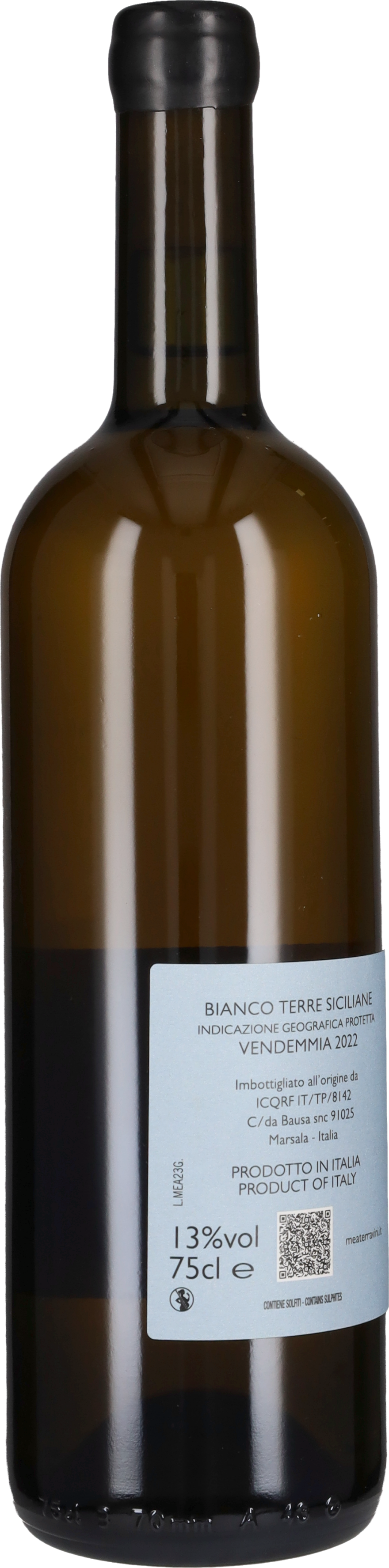
Grillo Meaterra 2022The Grillo of the Sicilian winery Meaterra is a white wine characterised by a lively fresh-savoury shoulder, produced in western Sicily through environmentally friendly agriculture. Grillo is one of Sicily's most important grape varieties, particularly widespread in the Trapani area, where it is the most prized grape used in the production of Marsala. Although the origin of this variety has not yet been clarified with certainty, the most accredited hypothesis is that it would have originated from a cross between Catarratto and Zibibbo, two other well-known native Sicilian vines.Meaterra Grillo is an expression of the white grape of the same name grown under certified organic cultivation on sandy and calcareous soils. The vines are also influenced by the area's warm Mediterranean climate, lapped by strong sea breezes. Manual harvesting is followed by vinification in stainless steel tanks with spontaneous alcoholic fermentation entrusted solely to indigenous yeasts. The subsequent ageing phase takes place between steel and bottle, in order not to alter the identity of the wine with the use of wood. For the same reason, the use of invasive clarification or filtration operations is excluded.Meaterra's Grillo has an intense straw yellow colour. The olfactory panorama is described by inviting sensations of citrus fruits such as citron and flowers such as lavender, combined with mineral iodine and hints of Mediterranean herbs reminiscent of rosemary. The palate reveals a well-balanced structure, with great tension between savouriness and freshness, and a lingering finish of citrus and mineral tones. Due to its evocative marine character, this white wine pairs beautifully with fish, shellfish or mollusc dishes.21,00 £*Shipping: 48,00 £Secure redirect to the provider
-
'Valnero' Annesanti 2022Il “Valnero” è un rosso umbro a cui non piacciono le classificazioni. E’ frutto infatti del genio creativo di Francesco Annesanti, giovane viticoltore che ha fatto del terroir della Valnerina, in provincia di Terni, il proprio laboratorio. Qui nasce un vino territoriale ed espressivo, che durante l’iter produttivo, dopo la fermentazione, viene fatto macerare per ben 100 giorni sulle bucce, acquisendo un complesso ventaglio di profumi al naso. Un’etichetta ancestrale, intrisa di saperi passati che mai come oggi appaiono affascinanti. Annesanti “Valnero” nasce dalle uve in purezza di un vitigno a bacca rossa importante per la viticoltura italiana, il Sangiovese. Le viti di questa varietà vengono coltivate in Valnerina, in parcelle caratterizzate da un sottosuolo argilloso e limoso, esposto verso sud-est. Il mosto ottenuto dalla pressatura degli acini fermenta spontaneamente grazie a lieviti autoctoni, macerando sulle bucce in contenitori d’acciaio inox. A questo punto del processo produttivo la mente di Francesco Annesanti ha voluto osare qualcosa di particolare, ed è per questo che rimane per 100 giorni in acciaio a effettuare una macerazione sulle bucce post-fermentativa. Al momento dell’imbottigliamento il vino non viene né filtrato né sottoposto a chiarifica. Il vino rosso “Valnero” si presenta alla vista con un colore che richiama la tonalità del rubino, attraversata da lievi tinte più granata. Delicato il naso, che risulta orchestrato intorno a sottili note floreali, che si intersecano a tocchi più fruttati e speziati. All’assaggio è di medio corpo, caratterizzato da un sorso fresco e fasciante al palato, da cui emerge una lieve componente tannica. Un’etichetta originale, che rispecchia la voglia di Francesco di stupire, tornando alle origini sperimentando senza alcun limite la possibilità di creare vini senza confini.17,00 £*Shipping: 48,00 £Secure redirect to the provider
-
Privo' Alepa 2022The Privo Rosso Alepa is a splendid expression of Cabernet Sauvignon, juicy and vital, capable of changing the minds of even the most skeptical regarding international grape varieties. Indeed, it is quite common among enthusiasts of artisanal wines to turn up their noses when talking about Cabernet Sauvignon and Merlot planted in their native land: "Too fatty, too settled, too herbaceous". Well, once you taste the Privo Rosso di Paola, these banal preconceptions vanish as quickly as the liquid in the glass. 3 hectares of vineyard in the Caserta area, cultivated without tricks or shortcuts to enhance what matters most: the land. To pursue this goal, it was also decided to focus on the grape varieties of the local tradition, including some that have been somewhat set aside like Pallagrello Bianco and Pallagrello Nero, alongside a few rows of Cabernet Sauvignon. Sincere bottles, devoid, in the truest sense of the word, of unnecessary frills and sophistication, yet always satisfying and expressive. The Privo Rosso Alepa wine is a pure expression of Cabernet Sauvignon, obtained from a vineyard from 1986 located at 250 meters above sea level on clay soils. In the vineyard, cover cropping is practiced and agriculture is respectful and never intrusive. In the winery, consistency is maintained, therefore fermentations occur spontaneously through the action of only indigenous yeasts. No clarification or filtration, with aging in stainless steel tanks for 12 months. The Privo Alepa peeks into the glass with its dark and impenetrable red robe, typical of the grape variety. Elegant yet direct nose, rich in suggestions that range from raspberry to friggitello, from pomegranate to licorice. It thus draws an absolutely fresh and airy profile, contrasting with the stereotypical idea of Cabernet, as if to testify to the importance of place and the producer's hand. Dynamic and lively sip: it is pure juice that irrigates the palate, thanks to a perfect blend of freshness and sapidity. Great expression of the territory.32,00 £*Shipping: 48,00 £Secure redirect to the provider


-
What is better: Electronics technician for industrial engineering or electronics technician for energy and building technology?
The choice between being an electronics technician for industrial engineering or energy and building technology depends on your interests and career goals. If you enjoy working with complex machinery and systems in manufacturing environments, then industrial engineering may be a better fit for you. On the other hand, if you are passionate about sustainable energy solutions and building technology, then energy and building technology could be more fulfilling. Consider your strengths, interests, and long-term career aspirations to make the best decision for yourself. **
-
What will change in the technology industry in the year 2022?
In 2022, we can expect to see several changes in the technology industry. One major change will be the continued advancement of artificial intelligence and machine learning, leading to more sophisticated applications and automation in various sectors. Additionally, there will likely be a greater focus on cybersecurity as the frequency and complexity of cyber threats continue to rise. The development and adoption of 5G technology will also accelerate, enabling faster and more reliable wireless connectivity. Finally, we can anticipate further growth in the use of virtual and augmented reality in various industries, as well as advancements in quantum computing research and development. **
-
How does one switch from an electronics technician for industrial engineering to an electronics technician for automation technology?
To switch from being an electronics technician for industrial engineering to automation technology, one can start by gaining knowledge and skills specific to automation technology through courses, workshops, or certifications. It is important to familiarize oneself with automation systems, PLC programming, robotics, and other relevant technologies. Networking with professionals in the automation industry and seeking opportunities for hands-on experience in automation projects can also be beneficial. Updating one's resume and highlighting any relevant experience or skills related to automation technology will help in transitioning to a new role as an electronics technician for automation technology. **
-
How do you switch from an electronics technician for industrial engineering to an electronics technician for automation technology?
To switch from being an electronics technician for industrial engineering to automation technology, you may need to acquire additional training or certifications specific to automation technology. This could involve taking courses or workshops focused on automation systems, programmable logic controllers (PLCs), robotics, and other relevant technologies. It would also be beneficial to gain practical experience in automation technology through internships or on-the-job training. Networking with professionals in the automation technology field and seeking out job opportunities that align with your new career focus can also help facilitate the transition. **

How can one switch from an electronics technician for industrial engineering to an electronics technician for automation technology?
To switch from being an electronics technician for industrial engineering to automation technology, one can start by gaining knowledge and skills specific to automation technology through courses or training programs. It is important to familiarize oneself with automation systems, PLC programming, and control systems. Additionally, gaining hands-on experience in automation technology through internships or on-the-job training can be beneficial. Networking with professionals in the automation technology field and seeking mentorship can also help in making a successful transition. **
What is the difference between an electronics technician for industrial engineering and an electronics technician for automation technology?
An electronics technician for industrial engineering typically focuses on maintaining and repairing electronic systems used in various industries, such as manufacturing plants or power plants. They are responsible for ensuring that electronic equipment operates efficiently and safely within an industrial setting. On the other hand, an electronics technician for automation technology specializes in designing, installing, and maintaining automated systems that control machinery and processes. They work with programmable logic controllers (PLCs) and other advanced technologies to optimize production processes and increase efficiency in industrial automation. **
Top-Angebote
Products related to 2022:
-
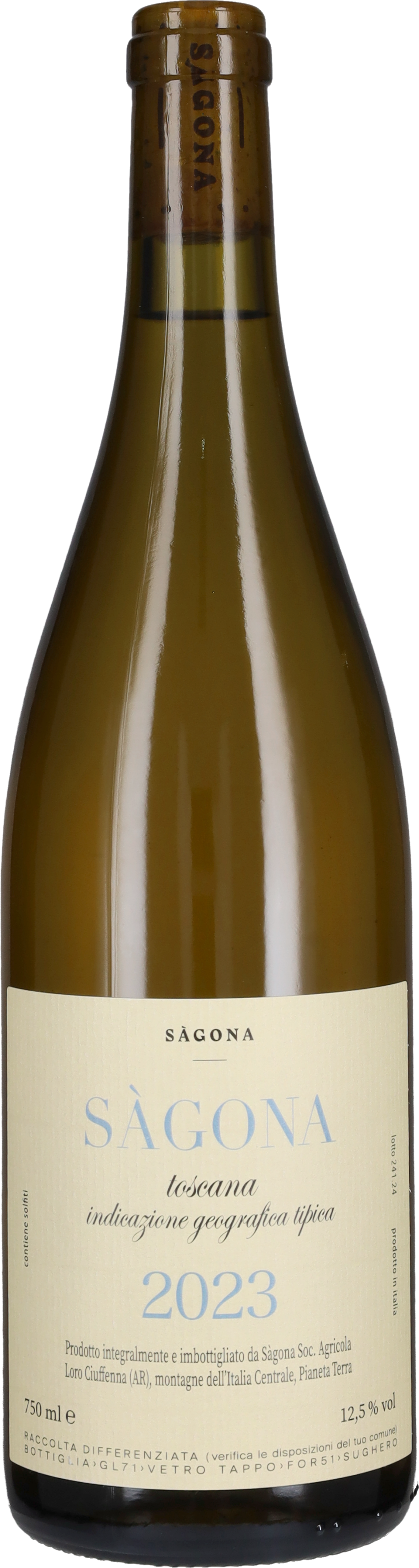
Sagona Bianco 2022The white wine from the artisanal wine cellar Sàgona is a pure Trebbiano Toscano with an articulate and extrovert personality that reflects the potential of this popular white grape variety. We are in Protomagno, in the province of Arezzo, a place where winemaker Daniele Corrotti is committed to interpreting the territory in a genuine manner, without filters or alterations. The vineyards are located in a context of flourishing biodiversity, surrounded by woods, olive trees and orchards, and from these assumptions comes this Trebbiano, a hand-crafted expression of great character.Sàgona Bianco is produced from pure Trebbiano Toscano grapes cultivated according to the dictates of organic farming on soils consisting of a combination of clay, sand and sedimentary rocks. In particular, the grapes come from two plots, the one called Sàgona, located at an altitude of 550 metres above sea level, and the Campo Maggio plot, located at an altitude of 600 metres. Harvesting is carried out by hand and the grapes are then vinified using the white wine method through direct pressing and subsequent alcoholic fermentation of the must entrusted exclusively to indigenous yeasts, followed by the complete and spontaneous malolactic fermentation. The entire fermentation process and the ensuing maturation period of about 10 months take place in barriques of several passages, with the wine finally being bottled without undergoing any filtration.In the glass, the Bianco signed Sàgona exhibits a beautiful intense golden yellow colour. The complex aromatic bouquet offers fascinating hints of yellow-fleshed fruit, sweet spices, resins and citrus honey, surrounded by nuances of dried fruit. In the mouth, the wine is sunny and vibrant, with a rich progression excellently supported by the fresh, acidic-savoury sparkle.32,00 £*Shipping: 48,00 £Secure redirect to the provider
-
'Stoan' Tramin 2022“Stoan” is a white wine produced by the Tramin winery, an expression of the finesse and body of the best wines from South Tyrol. It is a blend of white grape varieties, a true reflection of a territorial style defined by finesse, elegance, and freshness. These characteristics come from the alpine hills and mineral soils, which leave an identity mark on their grapes. The Tramin winery is located in Termeno and works with grapes provided by 300 affiliated growers, covering a total of 260 hectares of vineyards located in the municipalities of Termeno, Egna, Ora, and Montagna. Tramin “Stoan” consists of a blend of white grape varieties, made up of 65% Chardonnay, 20% Sauvignon, 10% Pinot Blanc, and 5% Gewurztraminer. They come from vineyards situated at an altitude between 400 and 600 meters on a gravelly soil rich in limestone rocks and clay. The vines are between 10 and 40 years old; predominantly facing Southeast, they are subject to strong temperature fluctuations due to the combination of the Mediterranean climate and the cool alpine currents. The harvest is done manually at the end of September and includes a selection of the bunches. Transported to the winery, they are pressed and the obtained must is transferred to large wooden barrels where alcoholic fermentation takes place followed by malolactic fermentation. Inside the same barrels, it ages on its own yeasts until the end of August. Once bottled, it matures in the bottle for another 3 months. The white “Stoan” presents a golden yellow color to the eye. On the nose, it opens up a fan of fruity notes reminiscent of peach, apricot, Chinese mandarin, and pear, with a floral trail of elderflower and mimosa and a spicy background note. On the palate, it envelops with a full body and intense aromaticity, all enlivened by a freshness that gives the sip great drinkability. It is a versatile white wine, with a thousand surprising facets.32,00 £*Shipping: 48,00 £Secure redirect to the provider
-
Grillo Meaterra 2022The Grillo of the Sicilian winery Meaterra is a white wine characterised by a lively fresh-savoury shoulder, produced in western Sicily through environmentally friendly agriculture. Grillo is one of Sicily's most important grape varieties, particularly widespread in the Trapani area, where it is the most prized grape used in the production of Marsala. Although the origin of this variety has not yet been clarified with certainty, the most accredited hypothesis is that it would have originated from a cross between Catarratto and Zibibbo, two other well-known native Sicilian vines.Meaterra Grillo is an expression of the white grape of the same name grown under certified organic cultivation on sandy and calcareous soils. The vines are also influenced by the area's warm Mediterranean climate, lapped by strong sea breezes. Manual harvesting is followed by vinification in stainless steel tanks with spontaneous alcoholic fermentation entrusted solely to indigenous yeasts. The subsequent ageing phase takes place between steel and bottle, in order not to alter the identity of the wine with the use of wood. For the same reason, the use of invasive clarification or filtration operations is excluded.Meaterra's Grillo has an intense straw yellow colour. The olfactory panorama is described by inviting sensations of citrus fruits such as citron and flowers such as lavender, combined with mineral iodine and hints of Mediterranean herbs reminiscent of rosemary. The palate reveals a well-balanced structure, with great tension between savouriness and freshness, and a lingering finish of citrus and mineral tones. Due to its evocative marine character, this white wine pairs beautifully with fish, shellfish or mollusc dishes.21,00 £*Shipping: 48,00 £Secure redirect to the provider
-
'Valnero' Annesanti 2022Il “Valnero” è un rosso umbro a cui non piacciono le classificazioni. E’ frutto infatti del genio creativo di Francesco Annesanti, giovane viticoltore che ha fatto del terroir della Valnerina, in provincia di Terni, il proprio laboratorio. Qui nasce un vino territoriale ed espressivo, che durante l’iter produttivo, dopo la fermentazione, viene fatto macerare per ben 100 giorni sulle bucce, acquisendo un complesso ventaglio di profumi al naso. Un’etichetta ancestrale, intrisa di saperi passati che mai come oggi appaiono affascinanti. Annesanti “Valnero” nasce dalle uve in purezza di un vitigno a bacca rossa importante per la viticoltura italiana, il Sangiovese. Le viti di questa varietà vengono coltivate in Valnerina, in parcelle caratterizzate da un sottosuolo argilloso e limoso, esposto verso sud-est. Il mosto ottenuto dalla pressatura degli acini fermenta spontaneamente grazie a lieviti autoctoni, macerando sulle bucce in contenitori d’acciaio inox. A questo punto del processo produttivo la mente di Francesco Annesanti ha voluto osare qualcosa di particolare, ed è per questo che rimane per 100 giorni in acciaio a effettuare una macerazione sulle bucce post-fermentativa. Al momento dell’imbottigliamento il vino non viene né filtrato né sottoposto a chiarifica. Il vino rosso “Valnero” si presenta alla vista con un colore che richiama la tonalità del rubino, attraversata da lievi tinte più granata. Delicato il naso, che risulta orchestrato intorno a sottili note floreali, che si intersecano a tocchi più fruttati e speziati. All’assaggio è di medio corpo, caratterizzato da un sorso fresco e fasciante al palato, da cui emerge una lieve componente tannica. Un’etichetta originale, che rispecchia la voglia di Francesco di stupire, tornando alle origini sperimentando senza alcun limite la possibilità di creare vini senza confini.17,00 £*Shipping: 48,00 £Secure redirect to the provider
-
What will technology bring in the year 2022?
In 2022, technology is expected to bring further advancements in artificial intelligence, with more sophisticated AI systems being developed for various applications. Additionally, there will likely be continued progress in the development of 5G technology, leading to faster and more reliable wireless connectivity. Virtual and augmented reality are also expected to become more mainstream, with new applications and experiences being introduced. Furthermore, there will likely be increased focus on cybersecurity measures as technology continues to play a central role in our daily lives. **
-
What is the difference between electrical engineering, electronics, information technology, and computer engineering?
Electrical engineering focuses on the generation, distribution, and control of electrical energy, as well as the design of electrical systems. Electronics deals with the study of electronic components, circuits, and systems that use electricity to process information. Information technology involves the use of computers and software to manage and process data. Computer engineering combines elements of both electrical engineering and computer science to design and develop computer systems and hardware. Each field has its own specialized focus and applications within the broader realm of technology. **
-
What is better: Electronics technician for industrial engineering or electronics technician for energy and building technology?
The choice between being an electronics technician for industrial engineering or energy and building technology depends on your interests and career goals. If you enjoy working with complex machinery and systems in manufacturing environments, then industrial engineering may be a better fit for you. On the other hand, if you are passionate about sustainable energy solutions and building technology, then energy and building technology could be more fulfilling. Consider your strengths, interests, and long-term career aspirations to make the best decision for yourself. **
-
What will change in the technology industry in the year 2022?
In 2022, we can expect to see several changes in the technology industry. One major change will be the continued advancement of artificial intelligence and machine learning, leading to more sophisticated applications and automation in various sectors. Additionally, there will likely be a greater focus on cybersecurity as the frequency and complexity of cyber threats continue to rise. The development and adoption of 5G technology will also accelerate, enabling faster and more reliable wireless connectivity. Finally, we can anticipate further growth in the use of virtual and augmented reality in various industries, as well as advancements in quantum computing research and development. **
Similar search terms for 2022
-
Privo' Alepa 2022The Privo Rosso Alepa is a splendid expression of Cabernet Sauvignon, juicy and vital, capable of changing the minds of even the most skeptical regarding international grape varieties. Indeed, it is quite common among enthusiasts of artisanal wines to turn up their noses when talking about Cabernet Sauvignon and Merlot planted in their native land: "Too fatty, too settled, too herbaceous". Well, once you taste the Privo Rosso di Paola, these banal preconceptions vanish as quickly as the liquid in the glass. 3 hectares of vineyard in the Caserta area, cultivated without tricks or shortcuts to enhance what matters most: the land. To pursue this goal, it was also decided to focus on the grape varieties of the local tradition, including some that have been somewhat set aside like Pallagrello Bianco and Pallagrello Nero, alongside a few rows of Cabernet Sauvignon. Sincere bottles, devoid, in the truest sense of the word, of unnecessary frills and sophistication, yet always satisfying and expressive. The Privo Rosso Alepa wine is a pure expression of Cabernet Sauvignon, obtained from a vineyard from 1986 located at 250 meters above sea level on clay soils. In the vineyard, cover cropping is practiced and agriculture is respectful and never intrusive. In the winery, consistency is maintained, therefore fermentations occur spontaneously through the action of only indigenous yeasts. No clarification or filtration, with aging in stainless steel tanks for 12 months. The Privo Alepa peeks into the glass with its dark and impenetrable red robe, typical of the grape variety. Elegant yet direct nose, rich in suggestions that range from raspberry to friggitello, from pomegranate to licorice. It thus draws an absolutely fresh and airy profile, contrasting with the stereotypical idea of Cabernet, as if to testify to the importance of place and the producer's hand. Dynamic and lively sip: it is pure juice that irrigates the palate, thanks to a perfect blend of freshness and sapidity. Great expression of the territory.32,00 £*Shipping: 48,00 £Secure redirect to the provider
-
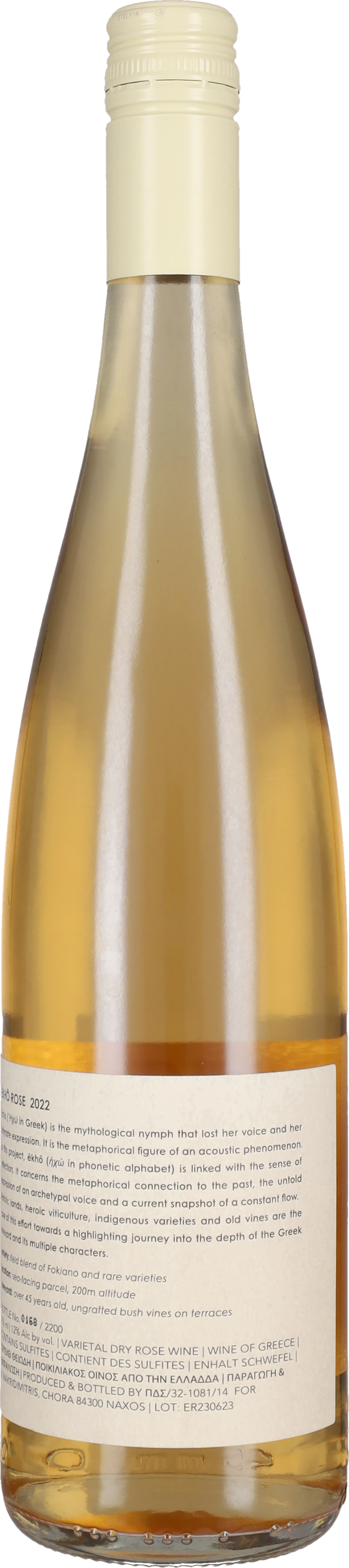
Rosé Ekho 2022The Rosé from the Greek craft enterprise Ekho is a blend of red and white grapes with asavoury, Mediterranean identity. The basis of the blend are the Fokiano and Bastardiko vines, two very old varieties with black and white berries respectively. The producer Lefteris Anagnostou is committed to the valorisation of these and other indigenous vines of the Aegean islands, searching for old vineyards to recover. The very name 'Ekho', a Greek word for 'echo', expresses the desire to reflect and propagate the essence of the land.Ekho's Rosé is made from a blend of Fokiano and Bastardiko grapes grown sustainably on the northern side of the island of Naxos, about one kilometre from the sea and at an altitude of 200 metres. The vines, trained on the "piede franco" system, are over 50 years old and grow on terraces of volcanic origin. Harvesting is carried out by hand at an early stage, so as to make the most of the organic acid content of the grapes, which are then vinified in stainless steel tanks through spontaneous alcoholic fermentation. Once the fermentation process is complete, the wine is matured in stainless steel on the fine lees for 10 months, with 1/3 of the mass ageing instead in acacia wood barrels. This is followed by blending of the two masses and final bottling in very limited quantities.To the eye, Ekho Rosato displays a salmon-pink hue. The aromas range from notes of red fruits such as cherry to hints of Mediterranean scrub and vanilla, with hints of peach and grapefruit as a frame. The taste is taut and nervous, finely tannic and well-structured, with a long and very savoury, almost saline, finish that invites you to return to the glass.46,00 £*Shipping: 48,00 £Secure redirect to the provider
-
'Kai' Paraschos 2022The Kai by Paraschos is a three-dimensional and eclectic white wine that combines a rich structure with a slight tannic friction. One of the most representative whites from the Paraschos estate, although each has its rooted identity. The Kai, however, is a testament to Friulano outside the box and preconceptions, and given the strong emotional bond between the locals and this variety, this expression is particularly engaging. The Paraschos family owns a few hectares of vineyard in Collio, the ideal border between Italy and Slovenia, and since 2003 has abandoned the use of any chemical or synthetic substances in the vineyard. In the cellar, the same approach is taken, making the concept of terroir tangible and above all drinkable. Multifaceted and above all alive creatures, without this affecting the definition or stability of the liquids. Experiential. The Paraschos Kai is made from pure Friulano grapes, sourced from the ancient Gradiscutta and Lucinico vineyards, which are about 80 years old and rest on the classic local soil known as Ponka, composed of marls and clays. If the vines are cultivated without the aid of chemicals and harvested by hand, in the cellar the process continues with spontaneous alcoholic fermentation in oak vats and maceration on the skins for 2 days. The liquid ages for 36 months in large oak barrels and is bottled without undergoing filtration or the addition of sulfur dioxide. The Friulano Kai illuminates the glass with its extremely vibrant golden hue. The nose, almost stunning in complexity, is a whirlwind of ripe fruit, wildflower honey, briny breezes, and wild herbs. On the palate, as is always the case with Alexis's wines, it does not hide its richness but possesses the innate gift of drinkability, granted by a refined saline texture as well as a delicate tannic friction. Histrionic nectar.48,00 £*Shipping: 48,00 £Secure redirect to the provider
-
How does one switch from an electronics technician for industrial engineering to an electronics technician for automation technology?
To switch from being an electronics technician for industrial engineering to automation technology, one can start by gaining knowledge and skills specific to automation technology through courses, workshops, or certifications. It is important to familiarize oneself with automation systems, PLC programming, robotics, and other relevant technologies. Networking with professionals in the automation industry and seeking opportunities for hands-on experience in automation projects can also be beneficial. Updating one's resume and highlighting any relevant experience or skills related to automation technology will help in transitioning to a new role as an electronics technician for automation technology. **
-
How do you switch from an electronics technician for industrial engineering to an electronics technician for automation technology?
To switch from being an electronics technician for industrial engineering to automation technology, you may need to acquire additional training or certifications specific to automation technology. This could involve taking courses or workshops focused on automation systems, programmable logic controllers (PLCs), robotics, and other relevant technologies. It would also be beneficial to gain practical experience in automation technology through internships or on-the-job training. Networking with professionals in the automation technology field and seeking out job opportunities that align with your new career focus can also help facilitate the transition. **
-
How can one switch from an electronics technician for industrial engineering to an electronics technician for automation technology?
To switch from being an electronics technician for industrial engineering to automation technology, one can start by gaining knowledge and skills specific to automation technology through courses or training programs. It is important to familiarize oneself with automation systems, PLC programming, and control systems. Additionally, gaining hands-on experience in automation technology through internships or on-the-job training can be beneficial. Networking with professionals in the automation technology field and seeking mentorship can also help in making a successful transition. **
-
What is the difference between an electronics technician for industrial engineering and an electronics technician for automation technology?
An electronics technician for industrial engineering typically focuses on maintaining and repairing electronic systems used in various industries, such as manufacturing plants or power plants. They are responsible for ensuring that electronic equipment operates efficiently and safely within an industrial setting. On the other hand, an electronics technician for automation technology specializes in designing, installing, and maintaining automated systems that control machinery and processes. They work with programmable logic controllers (PLCs) and other advanced technologies to optimize production processes and increase efficiency in industrial automation. **
* All prices are inclusive of VAT and, if applicable, plus shipping costs. The offer information is based on the details provided by the respective shop and is updated through automated processes. Real-time updates do not occur, so deviations can occur in individual cases. ** Note: Parts of this content were created by AI.